Song Meaning
The lyrics paint a stark picture of a narrator revisiting a significant spot by a river. This once-sacred place, marked by a tree, now serves as a painful monument to a love that's vanished. The dominant feeling is profound loneliness and the ache of a broken promise. The scene is steeped in a heavy, melancholic nostalgia.
The core emotional tension arises from the sharp contrast between a cherished past and a desolate present. The tree, a silent witness to a vow of "love forever," now stands as a symbol of its absence. The narrator is haunted by the memory of a shared act – carving names – which now only underscores what "you left behind." This specific detail makes the loss feel deeply personal and irreversible.
The repetition of the phrase "I'm all alone" creates a powerful, almost cyclical sense of grief, anchoring the narrator's sorrow to the physical location. This suggests an inability to escape the memory or the feeling of isolation. The tree itself becomes a mirror, its "lonesome" state and "leaves turn brown" directly paralleling the narrator's internal decay. The lyrics then draw a direct, poignant connection: with every falling leaf, a tear also falls, making nature itself a participant in the narrator's heartbreak.
These lyrics are effective because they ground abstract heartbreak in tangible details. The specific image of carved names on a tree and the seasonal change reflecting internal sorrow make the emotional experience vivid and relatable. By tying the narrator's deep personal loss to the unchanging river and the aging tree, the lyrics convey a sense of enduring pain, where nature seems to mourn alongside the abandoned lover. The final, lingering repetition of being "all alone" leaves the listener with the heavy weight of that solitary grief.
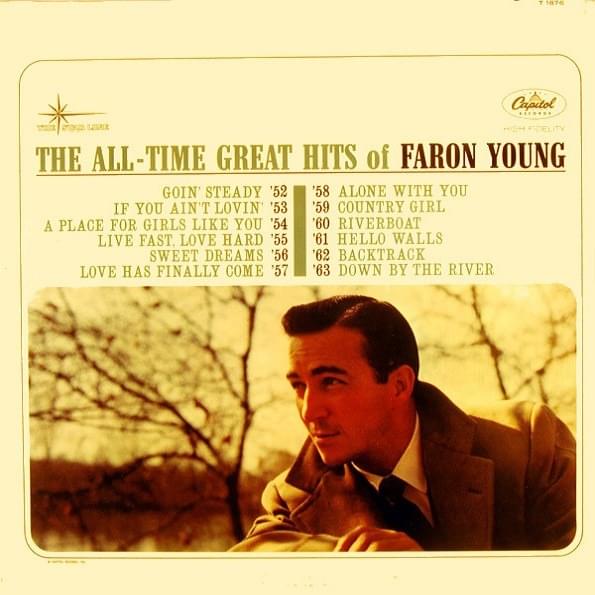
 View Artist