Song Meaning
The narrator is actively trying to erase a past relationship by destroying physical mementos. There's a raw, immediate desperation in the act of burning letters and photos, a tangible attempt to purge the pain. The core hope is that this physical destruction will translate into emotional release, a wish for a future where the memory of the person no longer holds power. It’s a visceral, if perhaps futile, effort to reclaim agency.
The central tension lies between the desire for freedom and the persistent grip of the past. Despite the narrator's efforts, the repeated phrase "memories of you that I can't lose" highlights the difficulty of truly letting go. The act of burning is meant to signify an end, but the falling teardrops suggest the emotional residue remains, complicating the narrative of liberation. This internal conflict between action and feeling is palpable.
The most striking craft element is the stark contrast between the violent imagery of burning and the quiet, persistent sorrow of falling tears. The lyrics present a ritualistic, almost cathartic, process: "Burning mem'ries / Teardrops fall while I am / Burning mem'ries." This juxtaposition underscores the difficulty of the task; the act of destruction is accompanied by the very grief it's meant to extinguish. The shattered dreams being thrown into the fire further emphasize the finality the narrator seeks.
This writing is effective because it grounds an abstract emotional state in a concrete, destructive action. The listener can visualize the scene and feel the narrator's struggle. The repetition of "burning memories" acts like a mantra, a desperate incantation against lingering affection. Ultimately, the lyrics capture the painful paradox of trying to forget someone by actively remembering them, making the pursuit of freedom feel both relatable and deeply poignant.
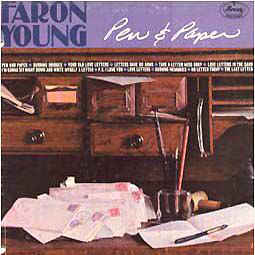
 View Artist