Song Meaning
The narrator opens with a stark, almost clinical observation: "Yes, we fight sometimes / That's a good start." This isn't romanticizing conflict, but rather identifying it as a necessary precursor to progress. The repetition of "That's a good start" suggests a low bar for positive development, hinting at a relationship or internal struggle that has been stagnant for a long time. The core idea is that even friction is preferable to inertia, a grim assessment of the current state.
The central tension emerges from the disconnect between internal turmoil and external inaction. The narrator is "out of town," "trailing," and experiencing something unsettling, "something in the walls." Yet, this pervasive issue remains abstract, "in my head but never in my hands." This phrase, repeated with increasing urgency, highlights a profound sense of powerlessness. The narrator is willing to pursue the problem wherever it leads, "underground" or "coming down," but the inability to physically grasp or control it creates a deep frustration.
The most striking craft element is the juxtaposition of determined action with ultimate futility. Phrases like "If it's underground, then it's where I'll go" and "If it's coming down, then it's how I'll know" convey a readiness for confrontation. However, this resolve is consistently undercut by the refrain "It's never in my hands." The image of putting something "away like a folded flag" and bowing to a name in a "shoe box" further emphasizes a sense of defeat and containment, a quiet surrender to forces beyond control, even after vowing to confront them.
This lyrical construction hits hard because it articulates a specific kind of modern malaise: the feeling of being overwhelmed by complex problems that lack clear, actionable solutions. The narrator's willingness to seek out the source of distress, coupled with the persistent inability to affect it, creates a palpable sense of anxious paralysis. The lyrics capture that frustrating moment when awareness of a problem is acute, but the capacity to do anything about it feels impossibly distant, leaving the listener with a lingering sense of unresolved tension.
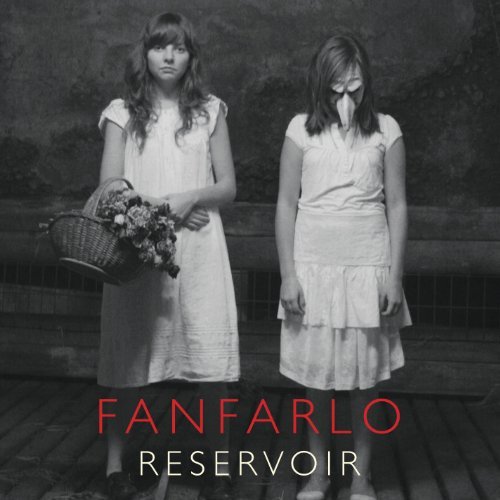
 View Artist