Song Meaning
The lyrics paint a picture of two individuals, seemingly at odds yet intrinsically linked, facing an uncertain future. The recurring image of being "back to back, opposites but joined by the spine" establishes a core tension: a fundamental difference that's nonetheless inseparable. This duality sets the stage for a contemplation of identity and potential, questioning whether they are merely echoes of something else – "a copy of a copy" – or capable of forging something entirely new.
The central conflict revolves around the very nature of change and progress. The narrator grapples with the idea of "blind innovation" and whether genuine transformation is possible, posing the question, "Can we really change?" This doubt is amplified by the possibility of "mutations" dictating their path, suggesting a lack of control over their evolution. The fear of waking up "on my own" highlights a deep-seated anxiety about isolation if this connection or shared future dissolves.
The most striking craft element is the juxtaposition of seemingly contradictory ideas: the mechanical "welded by the spine" versus the organic "grow and multiply" or "wither, if we die." This creates a sense of both predetermined destiny and the potential for self-determination. The repeated phrase "We're the future, you and I" acts as an anchor, a defiant declaration against the pervasive uncertainty and the potential for things to "run away."
Ultimately, the lyrics resonate because they capture a universal feeling of standing on the precipice of the unknown, both individually and collectively. The writing effectively uses contrasting imagery and direct questions to convey a profound sense of hope tinged with anxiety. The final lines, "We can say at least we tried," offer a pragmatic, almost stoic resolve, suggesting that the act of striving for a future, regardless of the outcome, holds its own inherent value.
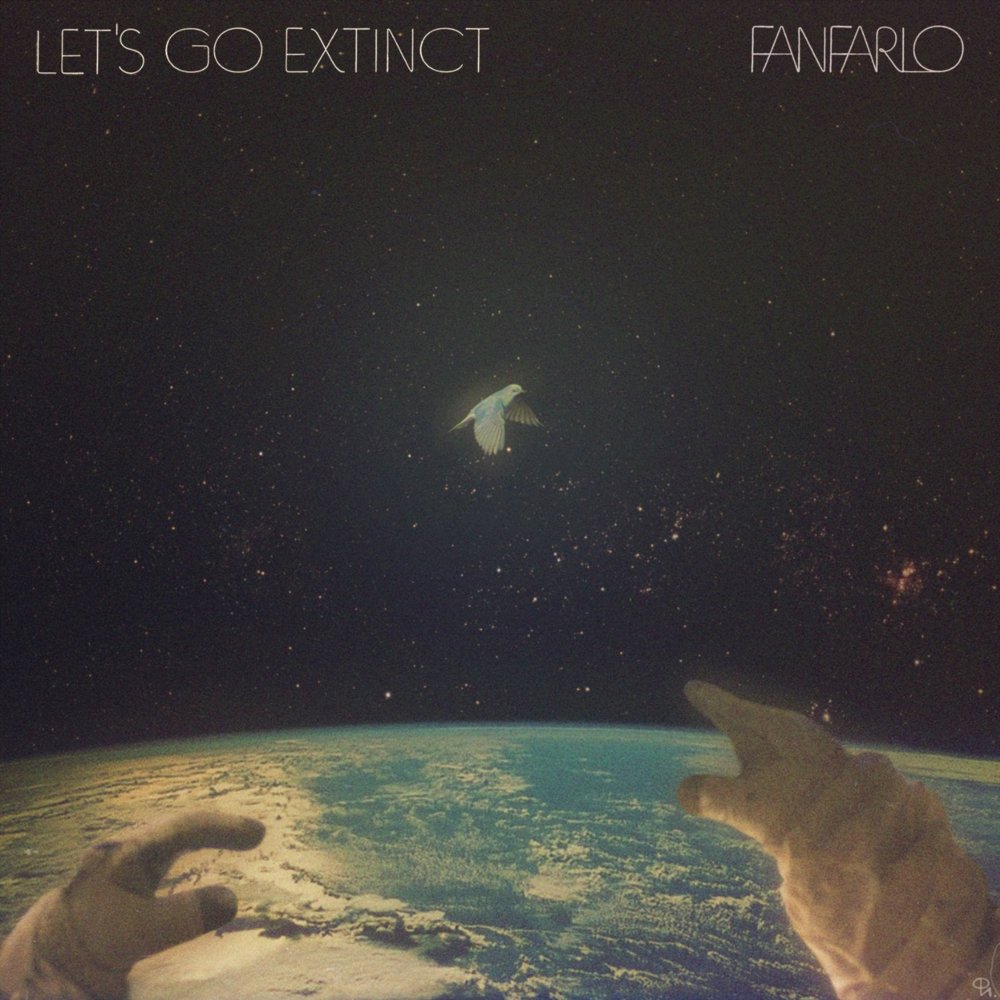
 View Artist