Song Meaning
Dum-Dum opens with a stark declaration of survival, "Graças a Deus eu tô vivo até hoje." He's not just alive, but strong, ready to continue his "caminhada" with "cabeça erguida nas batalha." This very resilience, he notes, only intensifies the "raiva" and "ódio" of his opposition.
The central tension here is the speaker's persistent existence and strength against a pervasive, malevolent "oposição." This enemy isn't just personal; it targets "nós, dos preto, da maioria, das periferia," revealing a systemic conflict aimed at "o nosso mal," "o nosso fracasso," and "o nosso óbito." The lyrics frame this struggle as an ongoing "caminhada" and "batalha," a fight for dignity and survival.
The most potent element is the rallying cry, "Senzala, nunca mais." This phrase powerfully invokes the historical trauma of slavery, directly linking past oppression to present-day struggles faced by "periferia." It's a concise, emotionally charged demand for freedom and an end to all forms of subjugation. The idea of "quando o gigante acordar" further amplifies this, suggesting a collective, dormant power waiting to rise against the "braços do sistema."
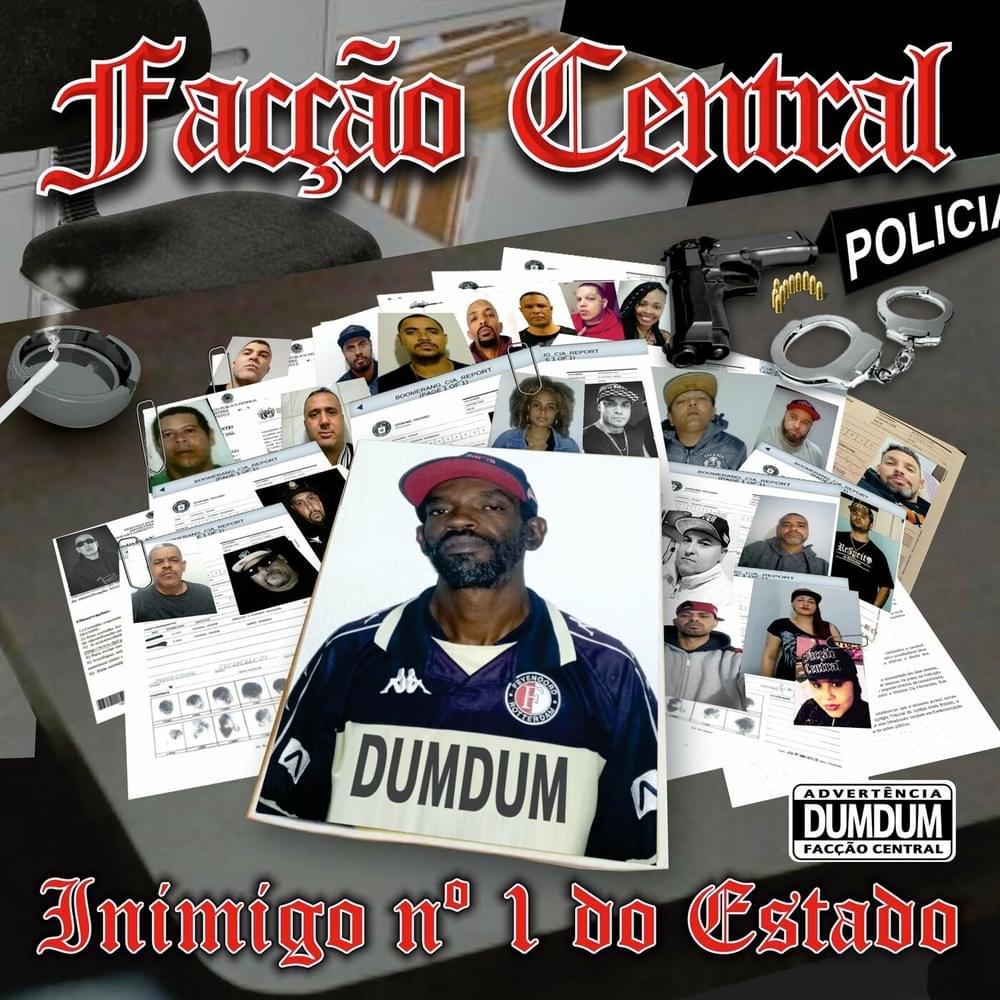
These lyrics hit hard because of their unapologetic directness and the speaker's unwavering conviction. The personal commitment, "A minha parte eu tô fazendo," evolves into a shared responsibility, empowering the listener with the promise, "Você também vai saber o que fazer." By defining himself as "Inimigo número um do Estado," Dum-Dum not only claims his own defiant stance but also implicitly invites others to recognize and resist the same oppressive forces, making the message a potent call for solidarity and action.
 View Artist