Song Meaning
The lyrics paint a picture of Maribel falling asleep, a state that seems to invite a collective act of singing to her. There's a sense of her being observed, perhaps even judged, by a higher power or an inner self, as the line "De que con el alma / Nos ve mejor" suggests. This initial scene sets a tone that is both intimate and slightly unsettling, as if Maribel's slumber is a moment of vulnerability.
The central tension arises from the duality of Maribel's state: she is asleep, yet the narrator urges to sing to her "porque se hundió" – because she sank or drowned. This implies a loss or a deep sadness that has overcome her, making her sleep a consequence of this sinking. The repeated call to "Canta" (Sing) acts as both a plea and an instruction, a way to engage with her submerged state, perhaps to pull her back or to acknowledge her pain.
The recurring image of the "carrusel" (carousel) is particularly striking. It evokes a sense of cyclical motion, perhaps representing the repetitive nature of Maribel's struggles or the endless turning of life's experiences. This sensation, coupled with the idea that "con el alma / Nos ve mejor," suggests a detachment from the physical world, a perspective gained from a deeper, perhaps spiritual, understanding that comes with being lost or asleep.
Ultimately, the lyrics seem to be about confronting a profound sadness or a loss of self, represented by Maribel's sleep and her sinking. The act of singing becomes a communal response, an attempt to connect with her in her submerged state and to offer solace or perhaps a reminder of the "brisa inmensa de libertad" (immense breeze of freedom) that awaits. It’s a poignant call to acknowledge and process pain through shared expression, even when the subject is seemingly unreachable.
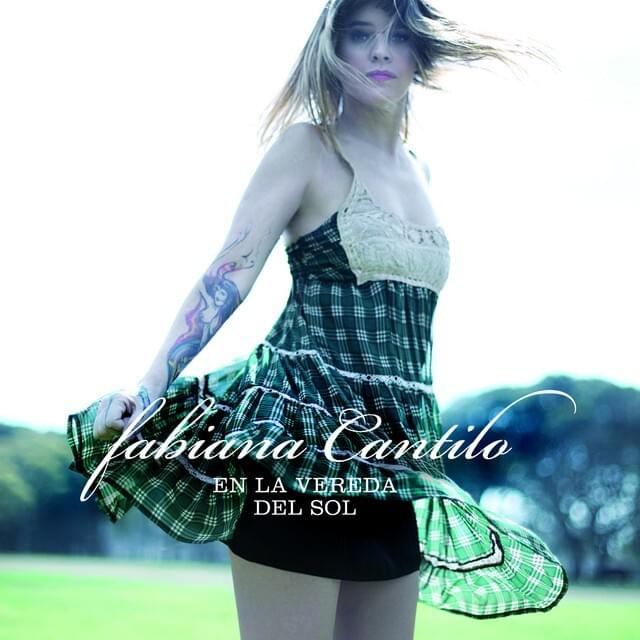
 View Artist