Song Meaning
The lyrics paint a disorienting picture of a surreal, inescapable reality, framed by the familiar yet twisted imagery of "Alicia en el País" (Alice in Wonderland). The opening lines immediately establish a sense of entrapment: "Who knows, Alice, this country wasn't made for nothing / You're going to leave, you're going to get out / But you stay." This paradox highlights a feeling of being stuck in a place that, while perhaps designed, offers no genuine escape, leaving the narrator to question, "where else are you going to go?" The dominant tone is one of weary resignation mixed with a creeping dread, as the logic of this strange land becomes a "tongue twister" where "the killer kills you," and the once-happy games are over.
The central tension lies in the stark contrast between a lost, idyllic past and a grim, nonsensical present. The narrator is warned not to recount the wonders of the "gardens" or what lies "behind that mirror," because "that game that made you happy is over." The whimsical creatures of Wonderland are gone, replaced by a disturbing vision: "A river of heads crushed by the same foot / Play cricket under the moon." This unsettling imagery suggests a pervasive, systematic oppression or destruction, where innocence is punished and power structures are absurdly arbitrary, embodied by the "King of Spades" and his pronouncements that "the innocent are the guilty."
A particularly striking element is the manipulation of space and ownership, culminating in the line, "We are in no man's land, but it's mine." This assertion of possessiveness over a chaotic, undefined territory speaks to a desperate attempt to find agency or belonging within a disorienting environment. The lyrics also evoke a sense of encroaching darkness and obfuscation, with "witches thinking of returning / To cloud our path." This suggests an external force actively working to maintain confusion and prevent clarity, further trapping individuals in this bewildering landscape of "ruins upon ruins."
Ultimately, the effectiveness of these lyrics stems from their ability to evoke a profound sense of psychological unease through surreal imagery and paradoxical statements. The direct address to "Dear Alice" grounds the abstract chaos in a personal plea, as if sharing a disturbing secret. The repeated motif of a lost, happy game underscores the emotional weight of this disillusionment, making the inescapable, nonsensical reality feel like a profound betrayal of innocence and joy.
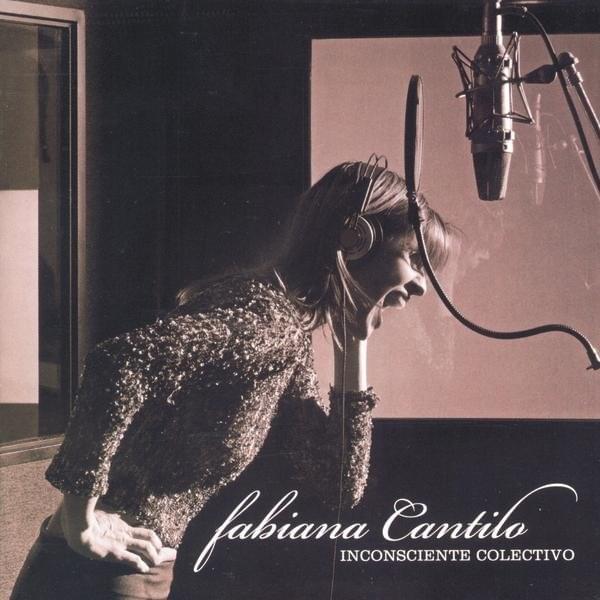
 View Artist