Song Meaning
The lyrics for "Luna" open with a poignant cry of loss, asking "Dónde te fuiste Luna" (Where did you go Luna). The speaker immediately elevates this figure, calling her "mi Sol hermosura" (my Sun, beauty) and an "Ángel de piel de visón" (Angel with mink skin). It's a direct address, a song dedicated to a presence now seemingly absent.
The emotional core quickly shifts to regret and profound gratitude. The speaker questions "Por qué te fuiste Luna" (Why did you go Luna), admitting to having been "ciega y oscura" (blind and dark) in her absence. There's a powerful suggestion of sacrifice, as the lyrics state Luna "Diste tu vida por mi seguro" (You surely gave your life for me), implying a transformative impact that "Cambiaste todo el futuro" (changed the whole future).
The craft here is striking, particularly the paradox of calling the Moon "mi Sol mi único amor" and "mi Dios mi sanación" (my God, my healing). This isn't just hyperbole; it reveals Luna as the speaker's ultimate source of light, warmth, and spiritual solace. The pivotal line, "Ahora lo sé nunca entendí" (Now I know I never understood), marks a profound realization, suggesting a past blindness to Luna's true significance, perhaps only grasped in her perceived absence.
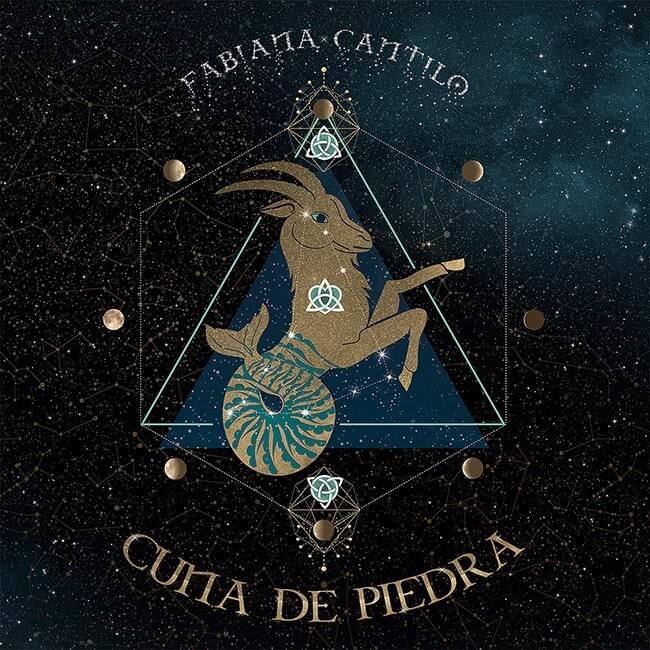
Ultimately, the lyrics move from a lament of loss to an affirmation of enduring presence. After acknowledging a "Malicioso mundo" (malicious world) and a moment of carelessness, the speaker declares, "Te dibujé eterna" (I drew you eternal) and calls Luna "mi cuna de piedra" (my cradle of stone). The final, powerful line, "Nunca te fuiste Luna" (You never left Luna), recontextualizes the entire narrative, transforming perceived abandonment into a deep, internal, and everlasting connection.
 View Artist