Song Meaning
The lyrics paint a picture of a lost connection, a stark contrast between a vibrant past and a silent present. The narrator recalls a specific, almost cinematic scene: a boy, soundtracked by Lou Reed, fabricating "love movies" on a bed while watching "paper storms" outside. This imagery evokes a sense of youthful, perhaps naive, romantic creation and shared intimacy, a world built from imagination and quiet observation.
The central tension arises from the abrupt disappearance of this person and the breakdown of communication. The question "¿Dónde fue un chico que conocí?" (Where did the boy I knew go?) is repeated, highlighting a profound sense of loss and confusion. The narrator directly addresses the absent person, stating "esto no sirve a los dos" (this doesn't work for either of us), indicating a relationship that has become untenable or one-sided due to the separation.
The phrase "Sobredosis de amor" (Overdose of love) is the most striking element, appearing twice as a refrain. It suggests an overwhelming, perhaps even destructive, intensity in the past relationship that might have contributed to its demise. This isn't just love; it's an excess, a potent force that has now seemingly led to a void. The repetition of Lou Reed and the "grabador" (recorder) grounds the memory in a specific, almost tangible sensory detail, making the present absence feel even more acute.
This lyrical fragment is effective because it captures the disorienting feeling of a relationship dissolving without explanation. The specific, almost dreamlike images of the past clash powerfully with the stark, unanswered question of the present. The "overdose" metaphor implies a love so potent it became toxic, leaving the narrator grappling with the aftermath and the silence where a voice used to be.
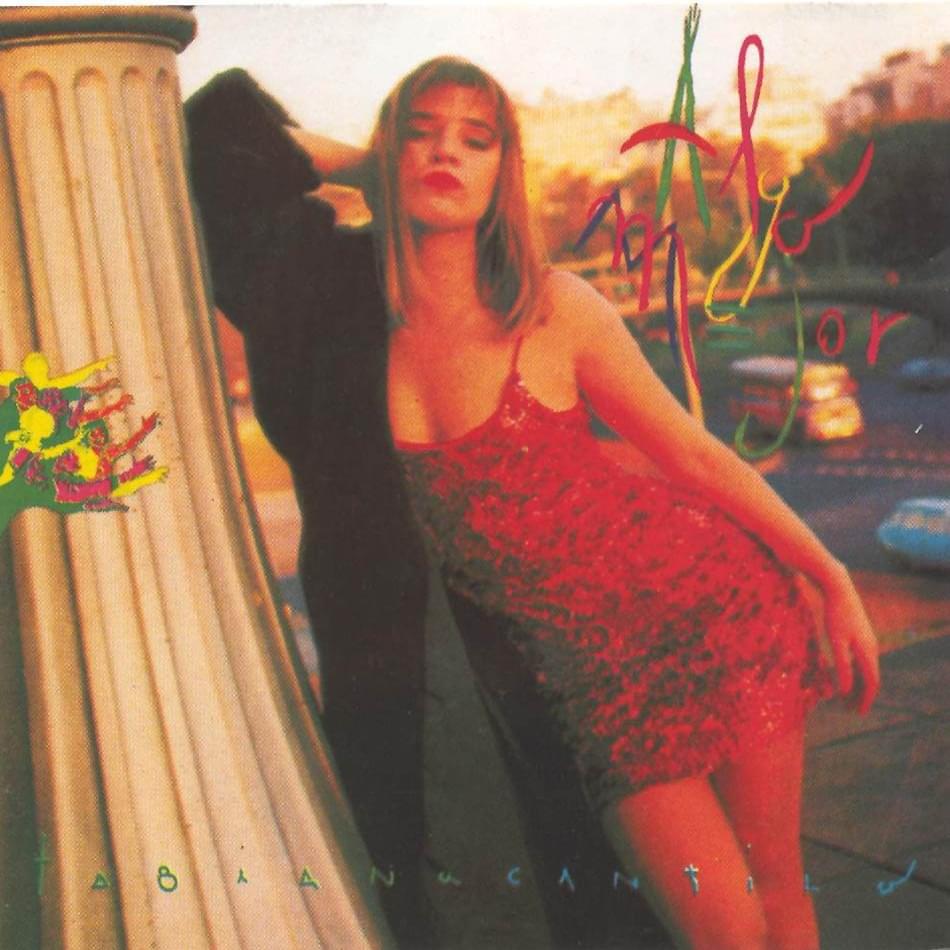
 View Artist