Song Meaning
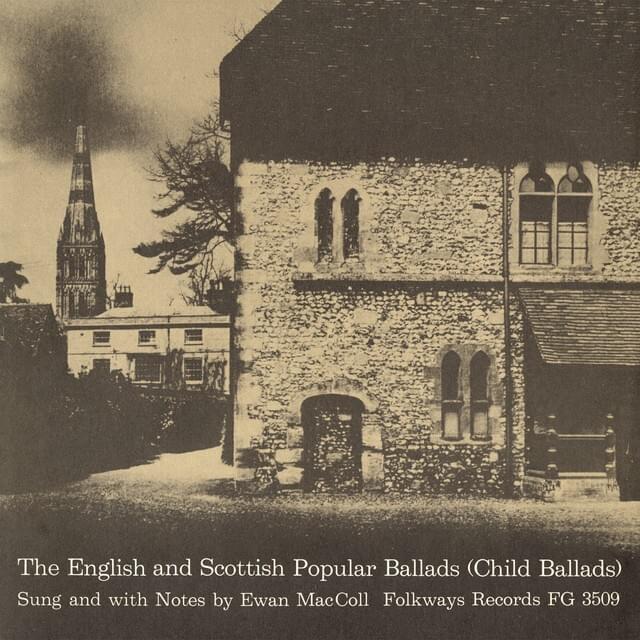
Ewan MacColl's stark rendition of "The Three Ravens," also known as Child 26, presents a chilling tableau of death, loyalty, and vengeance, stripped bare of sentimentality. The song's medieval roots are evident not only in its archaic language but in its unflinching depiction of mortality. The ravens themselves, perched ominously, are not merely observers but active narrators, their pronouncements delivered with a detached, almost clinical tone. This distance serves to amplify the grim reality of the "dead man at yon tree," forcing the listener to confront the stark finality of death without romantic embellishment. The "derrie downe" refrain, jarringly cheerful, further underscores the unsettling juxtaposition of beauty and horror. It's a constant reminder that life, in all its vibrancy, continues its relentless march even in the face of individual tragedy. The cyclical nature of the refrain mirrors the cyclical nature of life and death itself. The song's power lies not in its explicit details but in the stark emotional landscape it evokes.
The arrival of the lady "full of woe" introduces a complex layer of emotional depth. Her grief is palpable, yet her response transcends simple mourning. The curse she lays upon the killer – "I hope in heaven he'll never rest" – reveals a simmering rage and a fierce determination to avenge her lost love. This is not a passive victim but a woman capable of profound and lasting hatred. The song subtly explores the psychological impact of betrayal and loss, suggesting that grief can manifest not only as sorrow but as a burning desire for retribution. The ravens, ever-present, become silent witnesses to this unfolding drama, their dark presence a constant reminder of the cycle of violence that often accompanies death.
Ultimately, "The Three Ravens" functions as a haunting meditation on mortality and the human response to it. MacColl's interpretation, delivered with an understated gravity, allows the song's inherent darkness to resonate deeply. It's a reminder that death is not a singular event but an event with unending psychological and emotional consequences. The song's meaning lingers long after the final note fades, prompting reflection on the enduring power of love, loss, and the enduring quest for justice in a world often devoid of it.
 View Artist