Song Meaning
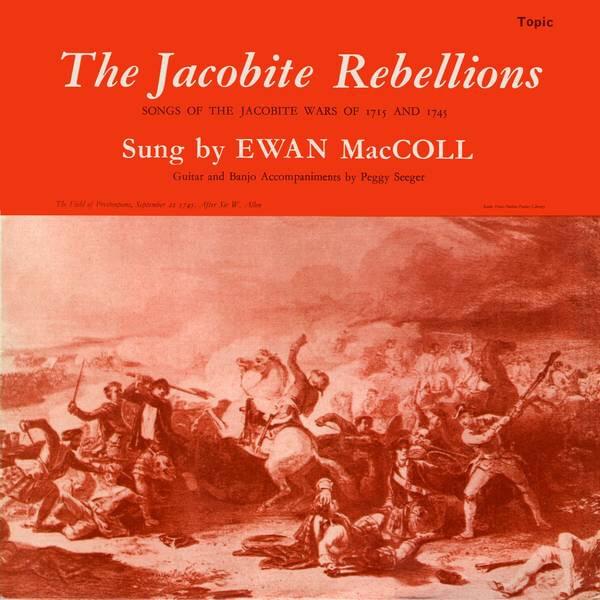
{"song_id": 15149010, "meaning": "Ewan MacColl's rendition of \"Such a Parcel of Rogues in a Nation\" isn't just a song; it's a visceral lament, a howl of betrayal echoing across the Scottish landscape. The song's power lies in its raw, unfiltered anger at the Act of Union 1707, a deeply divisive moment in Scottish history. MacColl doesn't mince words, branding those who supported the union as \"rogues,\" driven by greed and a willingness to sell out their nation's \"ancient glory.\" It's a stark condemnation of political expediency over national pride. The opening verse immediately sets the tone of irrevocable loss, mourning the fading of Scottish fame and martial history, replaced by the grim reality of English dominance signaled by the rivers Sark and Tweed marking the border.
The lyrics drip with scorn for the perceived weakness and corruption that enabled the Union. MacColl contrasts the historical resilience of the Scottish people, who withstood \"force or guile\" for centuries, with the present-day surrender to \"hireling traitor's wages.\" It's a bitter pill to swallow, the idea that valor and strength could be undone not by might, but by the insidious allure of \"English gold.\" This highlights a recurring theme: the corrupting influence of money and power, and the betrayal of trust within the Scottish leadership. The song implicates not just a few bad actors, but an entire \"parcel\" of them, suggesting a widespread rot within the nation's political fabric.
Ultimately, \"Such a Parcel of Rogues in a Nation\" is a furious cry for a lost ideal, a yearning for a Scotland defined by loyalty, bravery, and independence. The final verse is particularly poignant, expressing a wish to have died alongside Scottish heroes like Bruce and Wallace rather than witness this perceived act of national suicide. It's a refusal to accept the new reality, a defiant declaration that even in defeat, the speaker will continue to denounce the treachery that led to Scotland being \"bought and sold for English gold.\" The song remains a potent symbol of Scottish nationalism and a timeless critique of political corruption."}
 View Artist