Song Meaning
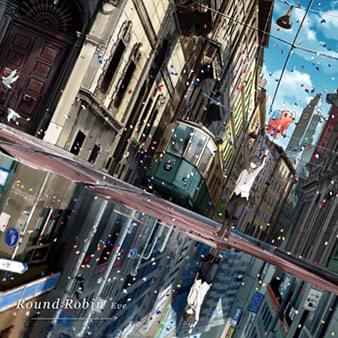
This track paints a vivid picture of Shinjuku as a dazzling, overwhelming urban jungle where everyone's rushing towards something colorful. The narrator feels crushed by the sheer pace, observing adults losing their minds and even a stylish woman with messy hair, suggesting the city's pressure affects everyone. The repeated pleas to 'wait' and 'stop' highlight an intense desire for a moment of calm amidst the chaos.
The core tension lies in the narrator's struggle to navigate this frantic environment and find a specific person within it. The phrase "Shinjuku Sick" becomes a refrain for this feeling of being overwhelmed and disoriented, a sickness born from the relentless motion. The lyrics express a desperate need to escape the "colorful maze" and the feeling of being "swept away" by the day's events, yearning for a connection amidst the anonymity.
The song's effectiveness stems from its sharp contrast between the "colorful" allure of the city and the internal "sick" feeling it induces. The narrator's direct address to strangers – "Ojou-san," "Nee, okusan" – and their dismissive reactions underscore a sense of isolation. This urban alienation is amplified by the repeated "Sick of, Sick of Shinjuku Station," a raw expression of exhaustion with the overwhelming sensory input and the feeling of being lost.
Ultimately, the lyrics suggest a shift from passive resignation to active defiance. The final verses propose a move forward, "chasing into the favorite color" and "conquering the colorful maze." By embracing their "dreams" and shedding the "Sick of, Sick of Shinjuku Station" mentality, the narrator aims to break free from the city's suffocating grip and find their own path, implying that agency can be found even within the most overwhelming of landscapes.
 View Artist