Song Meaning
The lyrics paint a picture of intimate familiarity with "your house," a space that holds both tangible memories and abstract emotional states. We see a photograph of a father "playing like a boy," a stark contrast to the implied weight of his "back" that "can be locked." This suggests a complex paternal figure, perhaps one whose youthful spirit is now constrained or hidden. The "unfurnished room" where Chet Baker plays "It's always you" offers a sanctuary, a place where "everything is right," hinting at a deep, perhaps idealized, sense of peace found within this domestic sphere. The narrator's knowledge of "your mother's color is blue" adds another layer of personal detail, grounding the abstract in specific, observed truths.
The central tension arises from the narrator's profound connection to this "house" and its inhabitants, juxtaposed with a sense of being an outsider or a guest. The "bed by a stove" where "everything that isn't true" is burned away signifies a cleansing, a shedding of falsehoods that the narrator cherishes. This room, which "loves" the narrator, becomes a space of acceptance and authenticity. The repeated declaration, "I was born / to be who I am / because you are here," elevates the "you" to a foundational element of the narrator's very existence, implying that their identity is inextricably linked to this person and their world.
A striking element is the recurring motif of doors and gates, representing access and boundaries. The narrator "never gets to" open or close a specific door "as I want," highlighting a lack of full agency within this space. Yet, a crucial shift occurs when "your children" sometimes grant the narrator a "key," suggesting a privileged, albeit conditional, entry. This is mirrored by the "fence of lilac" around the house, which "smells more than it keeps out," and a "secret gate" that leads "even further in." These images suggest that true access isn't about forceful entry but about understanding the hidden paths and the permeable nature of boundaries, especially when guided by those within.
Ultimately, these lyrics resonate because they articulate a deep, almost existential dependence on another person's presence for self-definition. The narrator's identity, their "mouth," "words," "heart," and "strong desire," are all presented as gifts received "because you are here." The closing lines, "With all you are / where you are going / Beside you / I walk," solidify this bond, framing the narrator's path as one that is chosen and deeply intertwined with the "you" they are addressing. It’s a powerful testament to how another person can become the very anchor of one's being.
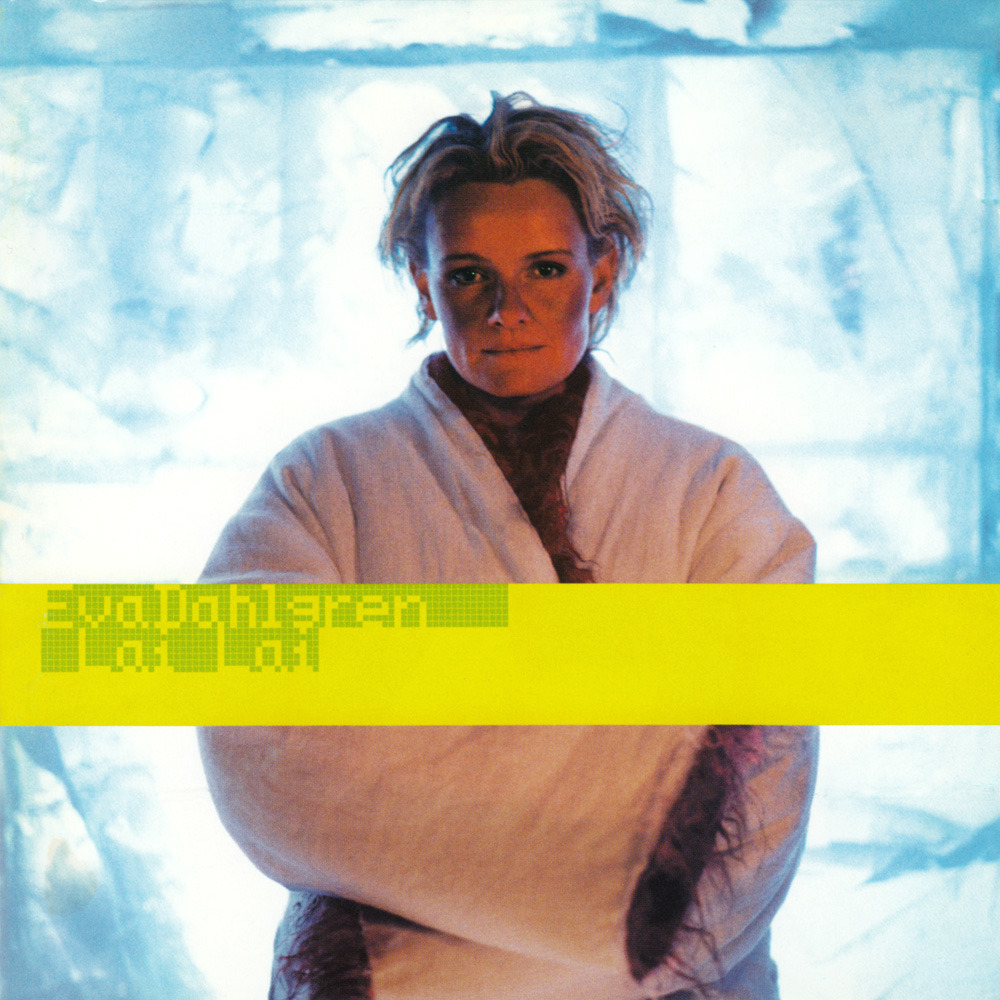
 View Artist