Song Meaning
The lyrics paint a picture of someone lost, physically and perhaps emotionally, wandering down paths that don't lead home and fleeing from one identical house to another. The dominant tone is one of confusion and a yearning for a sense of belonging, encapsulated by the repeated question, "Hur hamnade jag här?" (How did I end up here?). This disorientation is juxtaposed with a powerful desire for a specific place and feeling of permanence.
The central tension arises from the contrast between the narrator's current state of aimless wandering and the profound longing for a stable, cherished destination. The refrain, "Här vill jag va'" (Here I want to be), acts as an anchor, a desperate plea for a place found not on a map, but in a look and words shared with another person. This suggests a deep-seated need for connection as the true home the narrator seeks.
The craft here hinges on stark imagery and a subtle shift in perspective. The initial verses use evocative, almost bleak natural scenes – a road where branches block rain, a beach where waves beckon flight – to mirror internal unease. However, the refrain pivots dramatically, grounding the abstract desire for 'here' in the concrete intimacy of "I blicken du gav / I orden du sa" (In the look you gave / In the words you said). This highlights how true belonging is found not in grand journeys, but in shared moments.
This lyrical construction is effective because it articulates a universal human experience: the search for home and the realization that it's often tied to people, not places. The shift from external, disorienting landscapes to the internal, relational space of 'here' makes the narrator's ultimate desire feel both deeply personal and profoundly resonant. The final lines about needing only water, a map, and a compass to cross deserts underscore the idea that the most challenging journeys are often the simplest ones, once the right destination is identified.
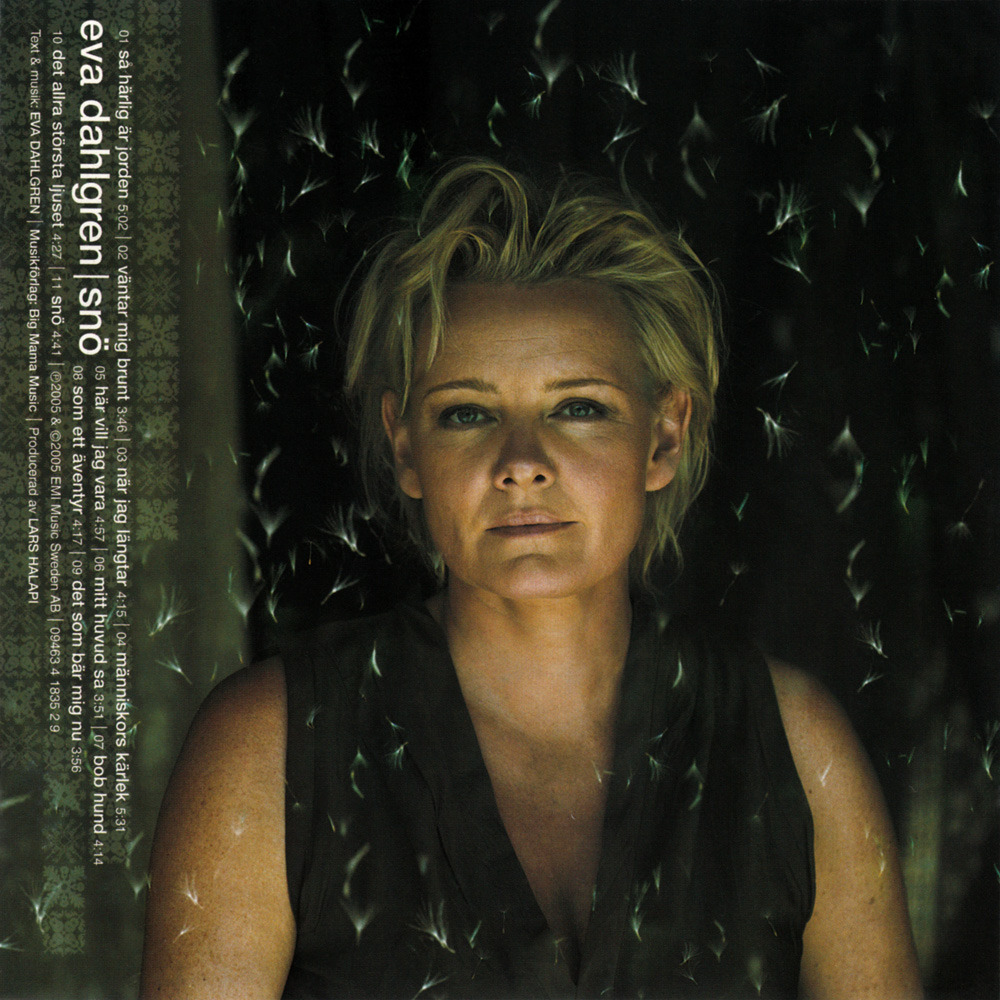
 View Artist