Song Meaning
The lyrics paint a picture of intense, almost obsessive longing, framed by stark natural imagery. The narrator directly addresses a "pastor," questioning his solitude and offering a warm, wool blanket as a superior alternative. This initial plea sets a tone of yearning for closeness and comfort, contrasting the coldness of being alone with the imagined warmth of shared space. The repeated invitation, "En mi colcha de lana dormirías mejor," underscores this desire for intimacy.
The central tension arises from a deep-seated loneliness and a desperate attempt to connect, possibly with someone named "Triniá." The narrator describes washing a ribbon in a cold stream and likens the beloved's laughter to a "hot jasmine," juxtaposing natural elements to convey a complex emotional state. The desire to "live in the snowfall of that jasmine" suggests a wish to inhabit a moment of intense, perhaps fleeting, beauty and warmth, even if it's rooted in a cold environment.
The writing powerfully uses contrasting imagery and repetition to convey emotional turmoil. The stark shift from the warm invitation to the cold, isolating imagery of "sola, verme sola, sola detrás de los muros" (alone, seeing myself alone, alone behind the walls) highlights a profound sense of entrapment. The repetition of "donde está la herida cerrada" (where the closed wound is) suggests a past pain that remains unhealed, despite the narrator's efforts to endure. The recurring "El chorro de la montaña" (the mountain stream) acts as a constant, almost ominous, natural backdrop to this internal struggle.
This lyrical landscape is effective because it grounds abstract feelings of desire and pain in concrete, sensory details. The image of throwing a lemon that lands at the beloved's door, leading to the declaration "even the lemons know that we love each other," is a charmingly quirky yet potent expression of shared affection. However, this is quickly undercut by the narrator's admission of "desvarío" (delirium) and a suspicion that "something that poisons me" is in Triniá's gaze. The repeated, almost incantatory "Ay Trini, mi Trini, mi Triniá" reveals the obsessive nature of this love, making the listener feel the weight of the narrator's consuming passion and uncertainty.
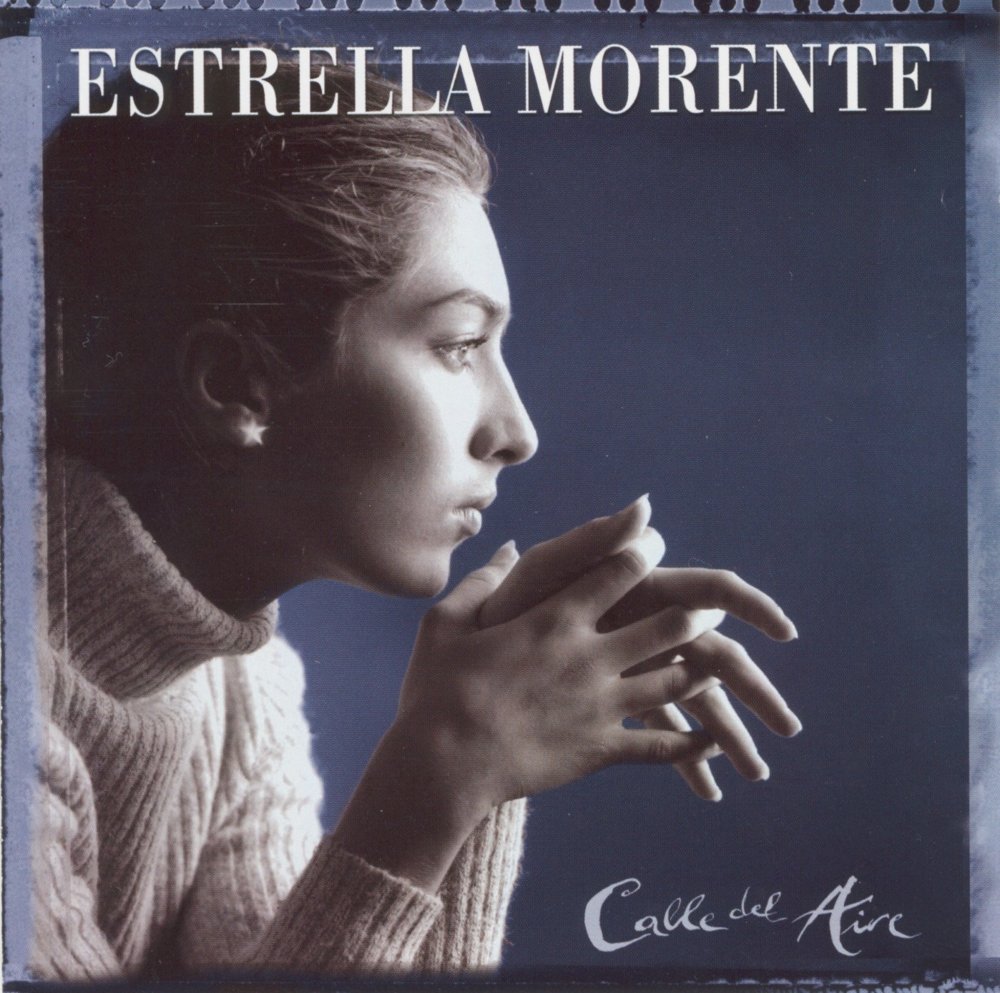
 View Artist