Song Meaning
The lyrics paint a picture of longing and devotion, framed by a sense of time passing and the inevitability of fate. The opening lines, "Bolita rodar," suggest a rolling ball, a metaphor for life's unpredictable course or perhaps a game of chance. This is immediately followed by a plea, "Ay ¿por que no echas tu primito mío?" which feels like a desperate question about why a loved one isn't present or participating. The recurring phrase "Y al amanecer vendrá" offers a glimmer of hope, a promise of return or resolution with the coming dawn, yet it's tinged with the melancholic "Ay mare mare."
The narrator expresses a deep, unwavering love: "Yo, tu querer no lo olvido," even as the physical distance stretches. The pain of separation is palpable in the lines about their eyes, "A verte a ti to' los días / Y ahora se me vienen pasando / Meses semanas y días." This stark contrast between constant presence and prolonged absence highlights the emotional weight of the separation. The mention of bringing "pañuelos de Holanda" from "la gran Turquía" seems to signify efforts to bridge distance or perhaps offer tokens of affection, though the context implies these are not readily available in Spain, suggesting a desire to bring something special.
A profound weariness emerges with "Ay pa' qué tanto yo ver / Ay mis ojitos tengo secos / De sembrar y no coger." This imagery of fruitless labor, of sowing without reaping, speaks to a deep disappointment and exhaustion, possibly in love or in life's struggles. The narrator's perspective on mortality shifts dramatically, stating, "Yo no le temo a la muerte / Porque morir es natural / Le temo más a las cuentas / Que a Dios le tendré que dar." This reveals a fear not of death itself, but of judgment and accountability for one's actions, adding a layer of spiritual or moral concern.
The lyrics then shift to vivid, almost dreamlike imagery. The "gitana tan guapa" by the river, with her dress at risk of getting caught, evokes a sense of delicate beauty and vulnerability. This is followed by the surreal image of a kite "Con la cara de mi estrella," blurring the lines between the celestial and the personal, suggesting the beloved is both distant and ever-present in the narrator's mind. The final lines, "Yo seré muralla pa' que no te ofendan / Y a ti no te tiren gitana a por tierra," offer a powerful vow of protection, a desire to shield the beloved from harm, solidifying the narrator's enduring commitment despite the hardships and uncertainties expressed throughout.
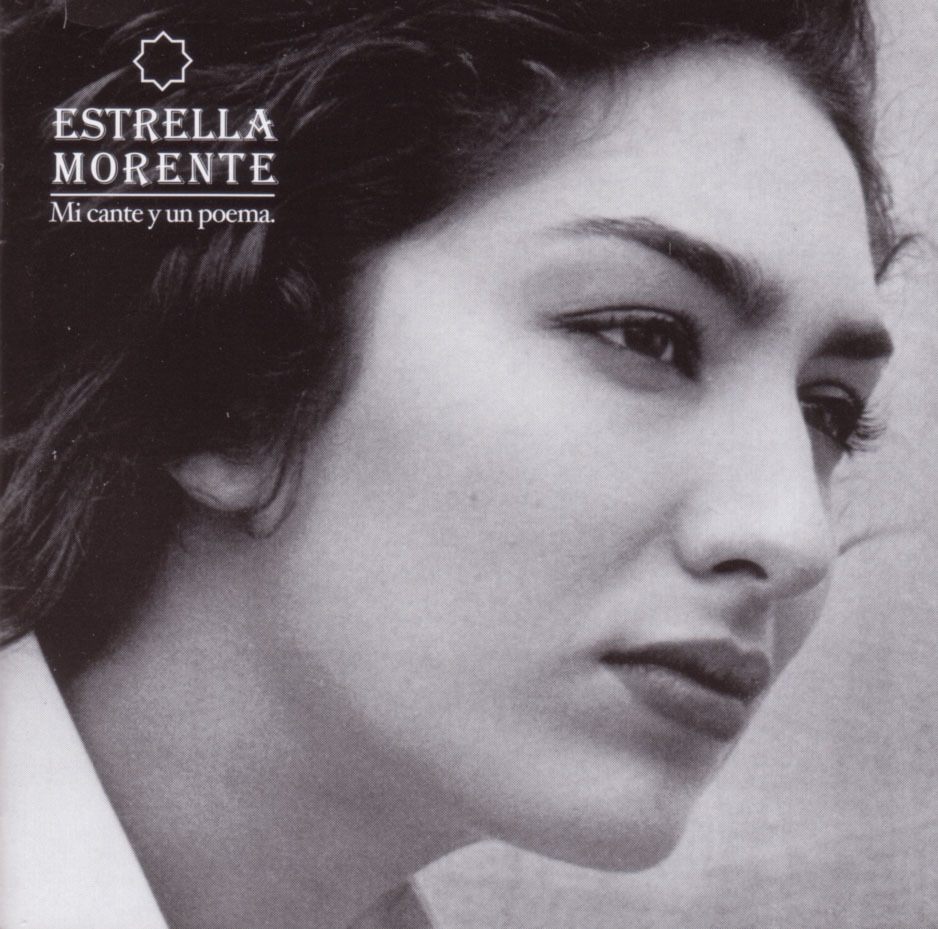
 View Artist