Song Meaning
The lyrics paint a vivid, almost dreamlike picture of a place called "la calle del aire" – the street of air, the street of the whirlwind. This "street" is where affection swirls and mingles, a space where personal feelings are caught in a larger, dynamic flow. The repeated refrain "Teresa la mica, que dame la mano" acts as a plea or an invitation, grounding the abstract "street of air" in a specific, intimate request for connection.
The song then shifts into a series of fragmented, almost nonsensical exchanges that feel like snippets of overheard conversations or playful taunts. The refusal to give a hand due to lack of money, countered by the possession of oxen to go anywhere, suggests a whimsical logic where material wealth is secondary to freedom and mobility. Later, advice is given to Feliciano about choosing a wife, favoring a dark-haired woman over a blonde, and instructions are given about fetching holy water from a hermitage, adding a layer of folk ritual and superstition.
The recurring image of the "remolino" (whirlwind) is central, not just describing the street but also the chaotic yet intertwined nature of affection. The "trompa mayor que una esquina" (a horn bigger than a corner) is a striking, surreal image that amplifies the sense of grand, perhaps overwhelming, presence or announcement. This juxtaposition of the intimate "tu cariño con el mio" with the expansive, almost absurd "trompa" creates a unique emotional texture.
Ultimately, the lyrics evoke a feeling of communal, slightly chaotic celebration or gathering, held together by the central image of the "street of air." The fragmented narratives and playful, sometimes nonsensical pronouncements create a sense of spontaneous, uninhibited expression. It's a space where desires, advice, and surreal imagery all swirl together, much like the "remolino" that defines it.
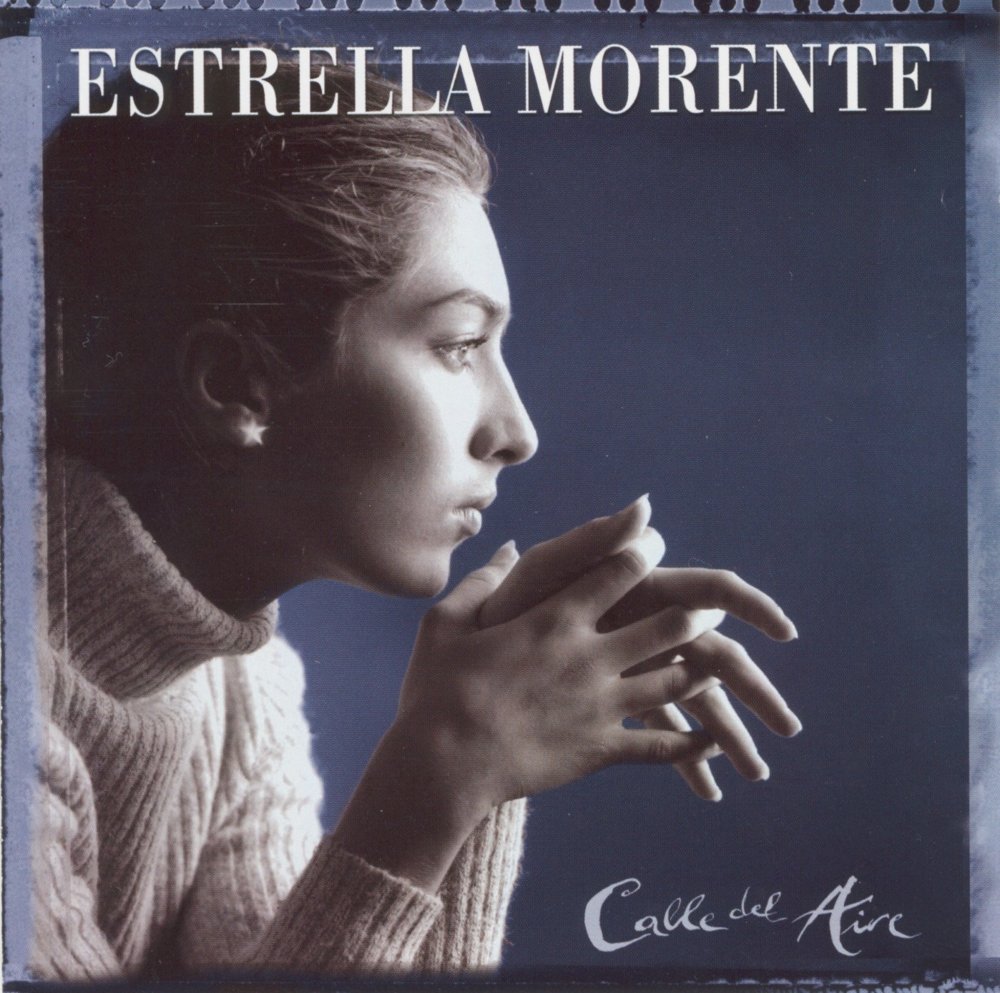
 View Artist