Song Meaning
Esther Phillips, a voice steeped in blues and soul, navigates the treacherous waters of longing in "Make Believe Dreams." The song is not merely a lament, but a raw exposure of the psyche wrestling with fantasy versus reality. The opening lines establish the core conflict: a yearning for authentic love, specifically directed at 'you,' contrasted against the hollow comfort of manufactured fantasies. This tension is the engine driving the song's emotional weight. Phillips isn't passively dreaming; she's actively *lost* in these constructs, suggesting a desperate attempt to escape a painful reality. The question hangs heavy: are these 'make-believe dreams' a refuge, or a gilded cage?
The second verse introduces a layer of performative sadness. The 'clown' metaphor is particularly potent, highlighting the duality of masking inner turmoil while craving genuine connection. 'Laughing through all my tears' speaks to a defense mechanism, a way of navigating a world where vulnerability feels dangerous. The fear of ridicule ('hoping nobody laughs at me') underscores a deep-seated insecurity, perhaps rooted in past experiences of rejection or invalidation. This vulnerability makes the listener question the reliability of the narrator. Are the 'make-believe dreams' a shield constructed to protect a fragile heart?
The final verses pivot towards a glimmer of hope, albeit one tinged with anxiety. The sleeplessness and trance-like state suggest an obsessive rumination on the possibility of reciprocated affection. The line, 'does it pay to keep a dream that makes me weep,' is the song's crucial turning point. Phillips acknowledges the self-destructive nature of clinging to unattainable fantasies, yet the 'half a chance' keeps the flame alive. The repeated chorus then morphs into a plea, a proposition: 'Then we could put all our dreams together… and make your make-believe dreams come true.' This shifts the focus from individual suffering to the potential for shared fulfillment, a gamble on the transformative power of mutual vulnerability and shared delusion. Is it codependency or true love? Phillips leaves us to decide.
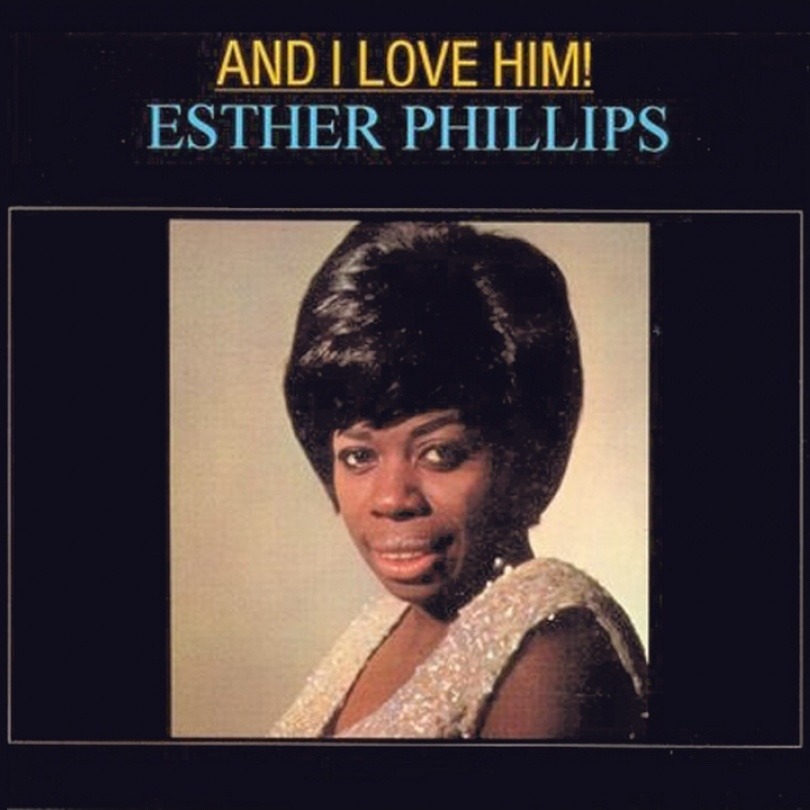
 View Artist