Song Meaning
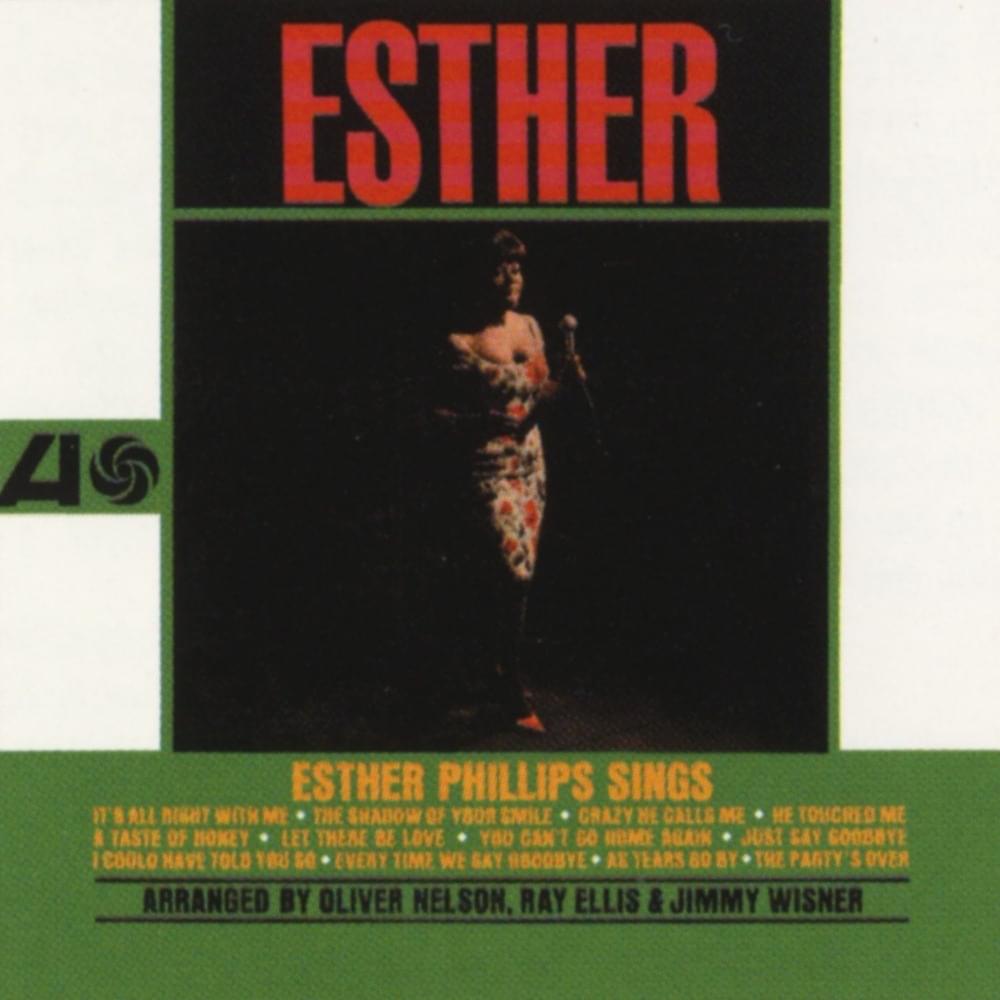
Esther Phillips' rendition of "I Could Have Told You So" isn't just a lament; it's a masterclass in unspoken, agonizing awareness. The song simmers with the quiet torture of watching someone you care about walk directly into foreseeable heartbreak. Phillips doesn't posture as a superior sage; instead, she embodies the empathetic bystander, burdened by the knowledge of impending pain. The core of the song meaning lies in this painful restraint – the 'if only you'd asked' refrain echoing the frustration of offering wisdom to deaf ears. It's a scenario familiar to anyone who's witnessed a friend blinded by infatuation, a psychological phenomenon where emotional investment overrides rational judgment. The narrator's 'I could have saved you some crying' isn't arrogance; it's the raw, human desire to shield someone from inevitable suffering. This is the quiet tragedy of the song.
The lyrics subtly unveil a deeper layer of emotional complexity. Phillips sings, 'But you were in love and you didn't want to know.' This isn't just about the object of affection's flaws; it's about the intoxicating power of denial. Love, in its initial stages, often operates as a powerful filter, selectively blocking out warning signs and amplifying positive attributes. The narrator understands this, adding a layer of resigned acceptance to her lament. The lines, 'I hear her now making promises she'll never keep,' further emphasize the narrator's acute awareness, turning sleepless nights into a torment fueled by unheeded warnings. The song transforms into a portrait of someone forced to passively witness a tragedy unfold, their foresight rendered useless by the intoxicating force of love.
The repetition of 'Through all of my tears I could have told you so' drives home the central theme: the persistent ache of unvoiced knowledge. The tears aren't solely for the heartbroken friend; they're for the narrator's own helplessness, the inability to alter a predetermined course. It speaks to a universal human experience – the frustration of watching someone make a mistake you desperately wanted to prevent. Phillips' delivery, imbued with a mixture of sorrow and knowing resignation, elevates the song beyond a simple tale of heartbreak. It becomes a poignant exploration of empathy, the limits of intervention, and the bittersweet reality that some lessons can only be learned through personal experience. In essence, "I Could Have Told You So" is a psychological study wrapped in a bluesy ballad, a testament to Esther Phillips' exceptional interpretive skill.
 View Artist