Song Meaning
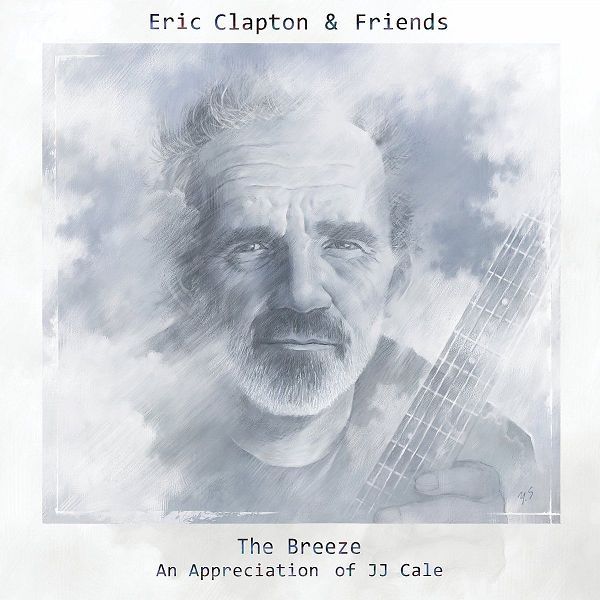
Eric Clapton's take on "Call Me the Breeze" isn't just a cover; it's an encapsulation of a specific kind of freedom, one that drifts on the surface. The song, at its core, is a declaration of independence, but not the flag-waving kind. It's the quiet, personal liberty of a man unburdened by relationships or responsibilities. The breezy persona isn't seeking connection; it's actively avoiding the weight of expectation. The repeated line, "I ain't got me nobody, I ain't carrying me no load," acts as both a boast and a confession. There's a certain loneliness implied, even if it's a loneliness embraced. The "breeze" is perpetually in transit, never settling, always just passing through.
The song's minimalist lyrics amplify the theme of detachment. The lack of specifics—no names, no places held dear, just the open road—underscores the rootless existence the narrator has chosen. "Ain't no change in the weather, ain't no change in me" suggests a stagnant emotional landscape, a refusal to be affected by external forces or internal turmoil. It's a portrait of someone who has achieved a kind of zen-like state through constant motion, or perhaps someone who is running so fast that they appear to be still. The green light motif reinforces this forward momentum. It's not just about physical movement; it's about the permission the narrator grants himself to keep moving, to avoid stagnation at all costs.
Ultimately, the song meaning hinges on the push and pull between liberation and isolation. Eric Clapton delivers the song with a laid-back swagger that belies the potential emptiness at its heart. The allure of being "the breeze" is undeniable, but the lyrics also hint at a deeper psychological truth: that true freedom might require sacrificing the very connections that give life meaning. It's a trade-off, and "Call Me the Breeze" doesn't shy away from acknowledging the cost.
 View Artist