Song Meaning
The lyrics present a defiant stance against conventional notions of artistic merit, particularly within the punk rock scene. There's a clear dichotomy drawn between "us" and "them," where "them" are those who believe art conquers all and that "learning comes from the east." This latter phrase, repeated insistently, suggests a source of wisdom or authority that the narrator's group dismisses.
The central tension arises from the narrator's group's indifference ("Meille se on yhdentekevää") to the perceived artistic superiority of others. They reject the idea that complex or established art forms hold any special power, especially when contrasted with the raw energy of punk. The lyrics propose a brutal, almost performative act of destruction – binding bands together like sheaves and setting them alight – as a more potent, albeit dark, form of "art."
This provocative imagery serves to underscore the narrator's rejection of traditional artistic values. The repetition of "oppi tulee idästä" acts as a dismissive mantra, a way to shut down external pronouncements on what constitutes valid art. The contrast between the perceived pretentiousness of "art" and the visceral, destructive "art" they propose highlights a core punk ethos of challenging established norms through shock and rebellion.
The effectiveness of these lyrics lies in their bluntness and the unsettling imagery they employ. By framing destruction as a superior form of art and dismissing external wisdom with a repeated, almost taunting phrase, the song creates a powerful sense of anti-establishment defiance. It forces the listener to confront uncomfortable ideas about what art truly is and who gets to define it.
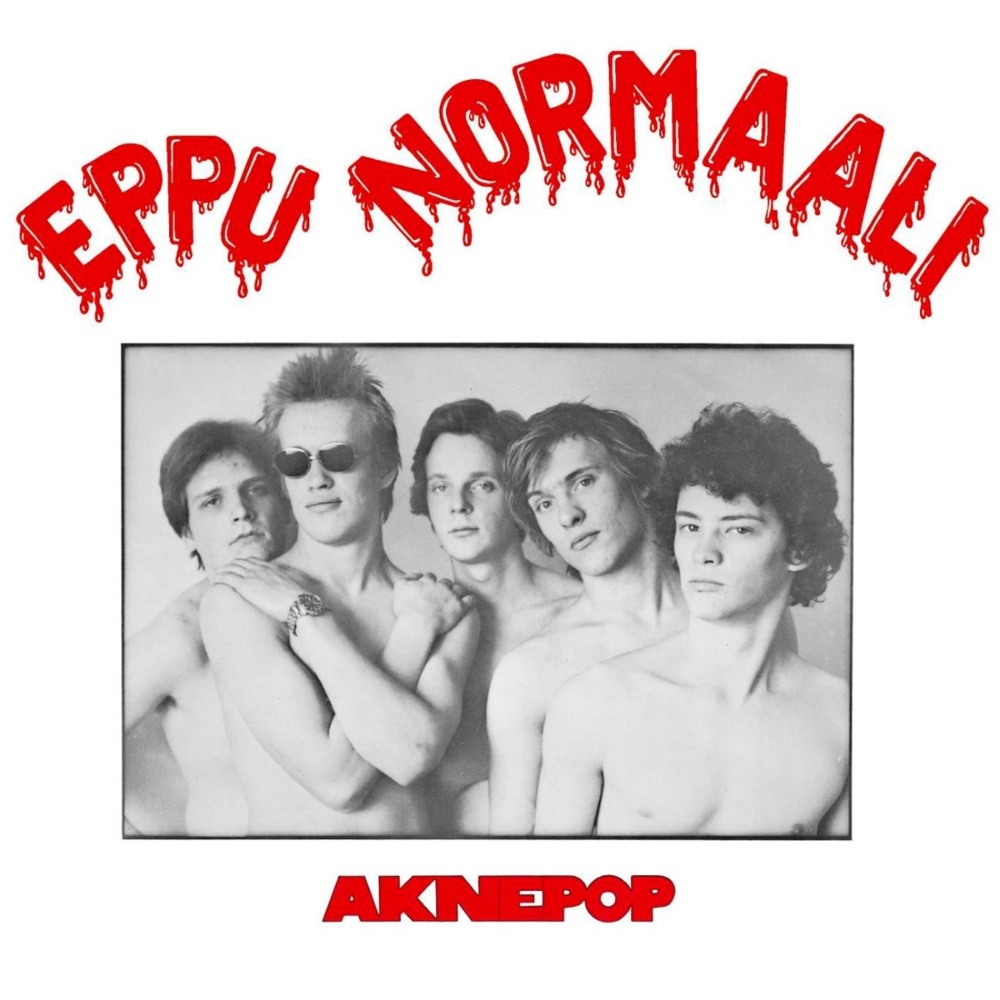
 View Artist