Song Meaning
“Payasito” paints a stark picture of unrequited affection. The lyrics address someone who constantly makes “her” smile, even as he harbors deep sadness. He hides his true feelings, forced to perform happiness. This is a poignant portrait of self-sacrifice in the face of indifference.
The central tension here is the brutal futility of the “payasito’s” efforts. He's told repeatedly that “su amor, no te dará” – she simply won't return his feelings. This isn't just a suggestion; it's a declared fate, “para siempre marcado.” The lyrics suggest a desperate attempt to win affection through constant cheer, even as the speaker knows it's a losing battle. His forced smile becomes a tragic mask, unable to conceal the deep sorrow that “oprime el corazón.”
The recurring image of the “pobre payasito” is particularly potent. It's not just a nickname; it's a metaphor for someone whose role is to entertain and absorb others' sadness, all while burying his own. The command “tienes que sonreir, sonreir” highlights the burden of this role, transforming a natural expression into a painful obligation. This repetition underscores the relentless pressure to maintain a facade, even when the inner turmoil is overwhelming.
The effectiveness of these lyrics lies in their unflinching honesty and the subtle shift in perspective. Initially a direct address, the final lines, where the speaker admits, “creo reconocerle,” introduce a narrator who sees a reflection of a universal struggle in the clown's plight. This moment of recognition elevates the “payasito” from a specific character to a symbol of anyone who has loved in vain, forced to smile through heartache.
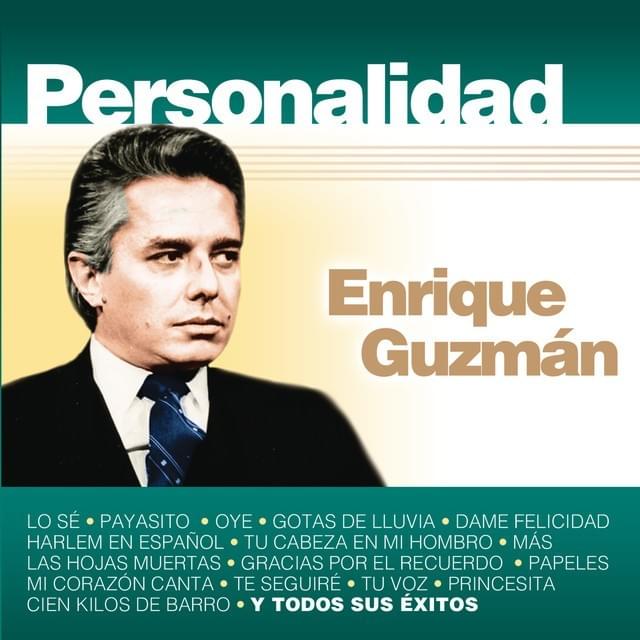
 View Artist