Song Meaning
These lyrics open with a poignant expression of thanks for past memories, particularly for "instantes que goce" and "sueños que viví." The speaker extends this gratitude for all the recollections they hold of another person. It sets an initial tone of gentle nostalgia, appreciating the echoes of a shared past.
The emotional core of the piece emerges from a stark contrast. The speaker vividly recalls a night of dancing, where "la suave música / A tu mundo me llevo," suggesting a deep, almost transcendent connection. Yet, this tender memory is immediately juxtaposed with a painful recollection: when the speaker confessed "te quiero," the other person "hiciste poco caso," showing little regard. This dismissal, the lyrics reveal, caused profound hurt, as "por ti moría mi ser."
What makes these lyrics particularly striking is the repeated phrase, "Las gracias, te doy," which evolves in meaning. Despite the clear pain of unrequited love, the speaker circles back to gratitude. This isn't a simple thank you for good times; it's a complex acknowledgment that these very memories, even the hurtful ones, allow the speaker to make a powerful, almost defiant claim: "Ya puedo entonces hoy / Decir que me quisiste / Como yo te quiero a ti." The speaker, through their enduring love and the weight of these memories, reclaims a narrative of mutual affection.
This reinterpretation of the past, where the speaker asserts a shared love despite the other's indifference, is deeply effective. It transforms the initial gratitude into an act of emotional resilience. The lyrics suggest that the act of remembering, even the painful parts, empowers the speaker to affirm their own truth and the depth of their feelings, making the "gracias" a testament to an unyielding heart.
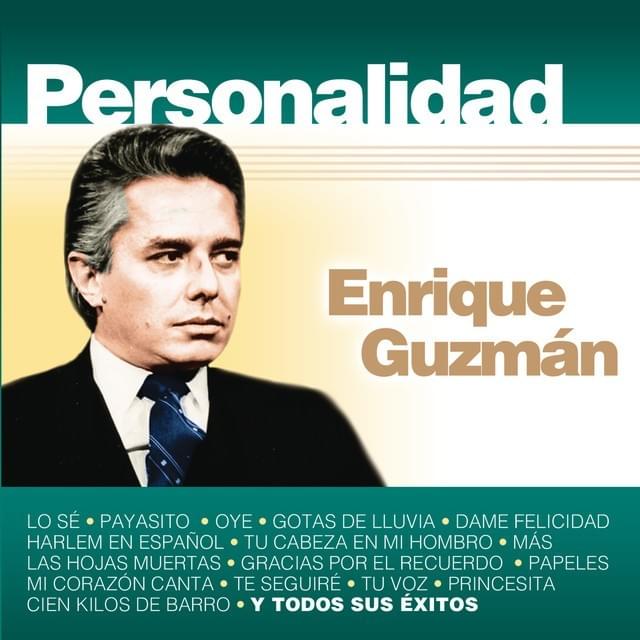
 View Artist