Song Meaning
The lyrics paint a portrait of someone embracing a self-deprecating identity, repeatedly introducing themselves as "otário" (a fool or sucker). This isn't a cry for pity, but a declaration of intent, acknowledging a perceived foolishness that comes with pursuing lost causes. The opening lines establish a sense of being out of sync with time yet punctual, a fish out of water with butterflies in an aquarium – vivid images of inherent contradiction and awkward placement. It's a deliberate self-labeling that sets the stage for their actions.
The central tension lies in the narrator's commitment to these seemingly futile endeavors. They describe themselves as a "puro sangue puxando carroça" (purebred pulling a cart) and an "Ás de Espadas fora do baralho" (Ace of Spades outside the deck), highlighting a disconnect between potential and reality, or perhaps a deliberate choice to operate outside conventional systems. This is juxtaposed with "grandes negócios, pequeno empresário," suggesting a grand vision hampered by limited means or a humble position, further solidifying the "otário" persona.
The most striking element is the direct invocation of Don Quixote's spirit, particularly in the chorus: "Tudo bem, até pode ser / Que os dragões sejam moinhos de vento" (It's okay, it might be that the dragons are windmills). This line directly references Quixote's famous delusion, but here it's reframed not as a tragic flaw, but as a conscious choice. The narrator accepts that their perceived "dragons" might indeed be mundane windmills, yet they choose to fight them anyway, driven by a love for lost causes.
This embrace of the "otário" identity and the Quixotic quest is what makes the lyrics resonate. It's not about delusion, but about the value found in the fight itself, regardless of the outcome or how others perceive it. The repeated phrase "Por amor às causas perdidas" (For love of lost causes) acts as a mantra, transforming potential shame into a badge of honor. The narrator finds purpose and perhaps even a strange pleasure in championing the underdog, the impossible, and the forgotten, making their self-proclaimed foolishness a source of strength.
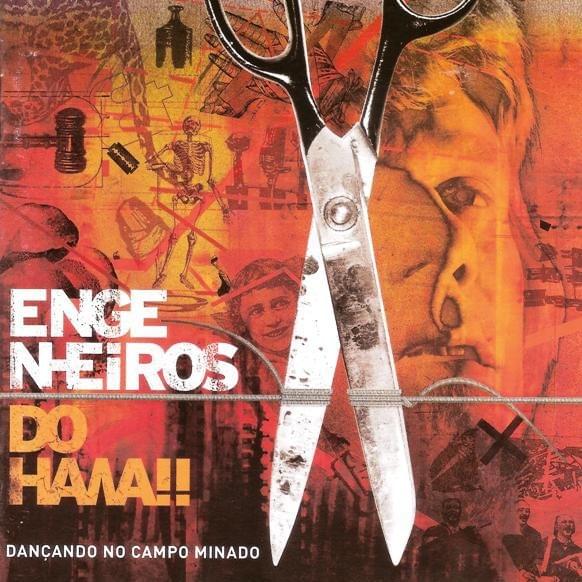
 View Artist