Song Meaning
The lyrics paint a picture of a chaotic, high-stakes environment where the narrator feels increasingly disconnected from reality. The opening lines immediately establish a sense of disorientation and distrust, with the narrator questioning their own perception amidst superficial conversations and a general feeling of being overwhelmed. This sets the stage for the central metaphor: dancing on a minefield, a precarious act performed during a moment of supposed celebration or peak experience.
The core tension lies between the external pressures of a suffocating life and the internal struggle to comprehend the surrounding absurdity. The phrase "papo furado" (empty talk) highlights a disconnect between the narrator's internal turmoil and the superficiality of others. The repetition of "Eu devo estar ficando louco" (I must be going crazy) underscores this growing alienation and the desperate attempt to make sense of a world that feels increasingly hostile and nonsensical. The contrast between the "maior sufoco" (greatest suffocation) and the "melhor da festa" (best of the party) is stark.
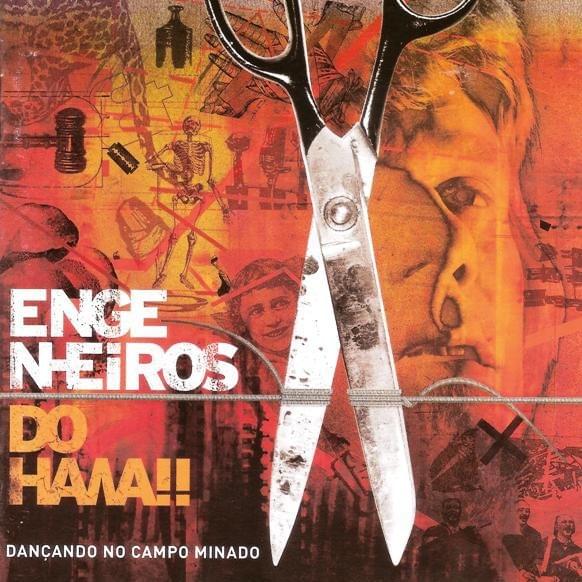
The lyrics masterfully employ contrasting imagery to amplify this unease. The idea of "dancing on a minefield" is inherently paradoxical, blending revelry with extreme danger. The recurring "sinais estão no ar" (signs are in the air) suggests an impending threat or important message that is either ignored or misinterpreted by most. The shift from "esquinas do país" (street corners of the country) to "chão da praça da matriz" (ground of the main square) grounds these pervasive signs in specific, public spaces, implying the danger is widespread and unavoidable. The instruction to "Cortar o mal pela raiz" (cut the evil by the root) offers a desperate, almost violent, solution to an unseen problem.
This song resonates because it captures a specific kind of modern anxiety: the feeling of navigating treacherous social and political landscapes while surrounded by people who seem oblivious or unconcerned. The narrator's internal monologue, questioning their sanity, makes their precarious dance feel intensely personal and relatable. The abrupt "Silêncio" (Silence) moments punctuate the chaos, emphasizing the unspoken dread that underlies the seemingly festive, yet ultimately dangerous, atmosphere.
 View Artist