Song Meaning
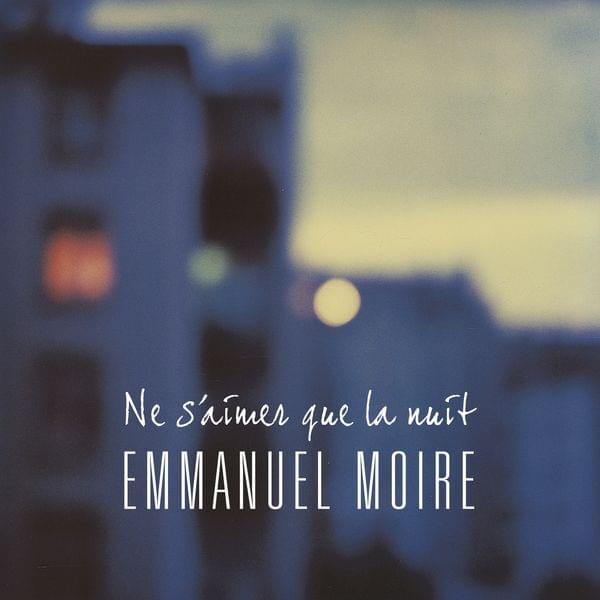
Emmanuel Moire's "Ne s'aimer que la nuit" delicately probes the chasm between fleeting desire and genuine emotional investment. The song meaning hinges on a central question: what constitutes love in an era of transient connections? The opening verse paints a scene of cautious observation, two strangers circling each other at a social gathering. There's a palpable tension in the near-misses – hands almost touching, eyes locking – a dance of anticipation before any real commitment is made. This hesitation speaks volumes about a fear of vulnerability, a reluctance to move beyond surface-level interaction. The lyrics hint at a deeper longing masked by calculated moves.
The chorus serves as the song’s emotional core, laying bare the internal debate. "On pourrait faire l'amour, mais l'amour, c'est fait de quoi?" This isn't just about physical intimacy; it's a yearning for something more substantial. Moire questions the very fabric of love, wondering if it's merely a construct or if it demands a more profound connection. The proposition of fleeting romance, encapsulated in "On peut aussi ne s'aimer que la nuit," becomes a tempting alternative to the complexities and potential heartbreak of true love. It's a siren song of immediate gratification versus the arduous path of emotional investment.
The second verse shifts into action, a tentative agreement to explore the physical connection. "Tu me dis, tu me dis que dehors on peut parler / Je te suis, je te suis c'est d'accord pour t'embrasser." The progression from conversation to kissing to embracing suggests a gradual surrender to the moment. However, the underlying question of whether this fleeting encounter can blossom into something deeper remains unanswered. The song's brilliance lies in its refusal to offer easy answers, leaving the listener to grapple with the delicate balance between desire, fear, and the elusive nature of love itself.
 View Artist