Song Meaning
Emmanuel Moire’s "La femme qu'il me faut" isn’t a simple lament; it's a meticulously crafted portrait of grief and idealized longing. The song meaning hinges on the stark realization that the perfect woman, the one he needs, is unattainable, precisely because she’s inextricably linked to a past love. It's a sophisticated take on heartbreak, acknowledging the psychological trap of comparing every potential partner to an idealized, lost figure. The lyrics suggest a profound sense of disillusionment, where the search for a new love becomes a futile exercise. He yearns for someone who embodies both vulnerability ("l'enfance écorchée") and strength ("Qu'elle ait soulevé des rochers"), qualities he perhaps saw in the departed lover, making her absence all the more acute.
The recurring refrain, "La femme qu'il me faut / Je le sais n'existe pas," acts as both a confession and a form of self-inflicted torment. Moire isn't just stating a belief; he's actively reinforcing the impossibility of moving on. The lines "Plus jamais je n'en voudrai après toi" highlight the permanence of this emotional state. It isn't about failing to find someone *as good as* his former love, but rather a complete inability to desire anyone else in the same way. This speaks to a deeper psychological phenomenon where the memory of a person becomes more compelling than any real-life interaction, creating a phantom ideal that no one can match.
Ultimately, "La femme qu'il me faut" reveals a poignant acceptance of solitude, tinged with a persistent, almost romantic, devotion to the past. The concluding lines, "Alors à défaut il me plaît / De t'imaginer toujours auprès de moi," suggest a deliberate choice to remain tethered to the memory of this woman. Rather than seeking closure, Moire finds solace in perpetually imagining her presence, a bittersweet coping mechanism that underscores the song's core theme: the enduring power of love, even in its absence, to shape and define our present.
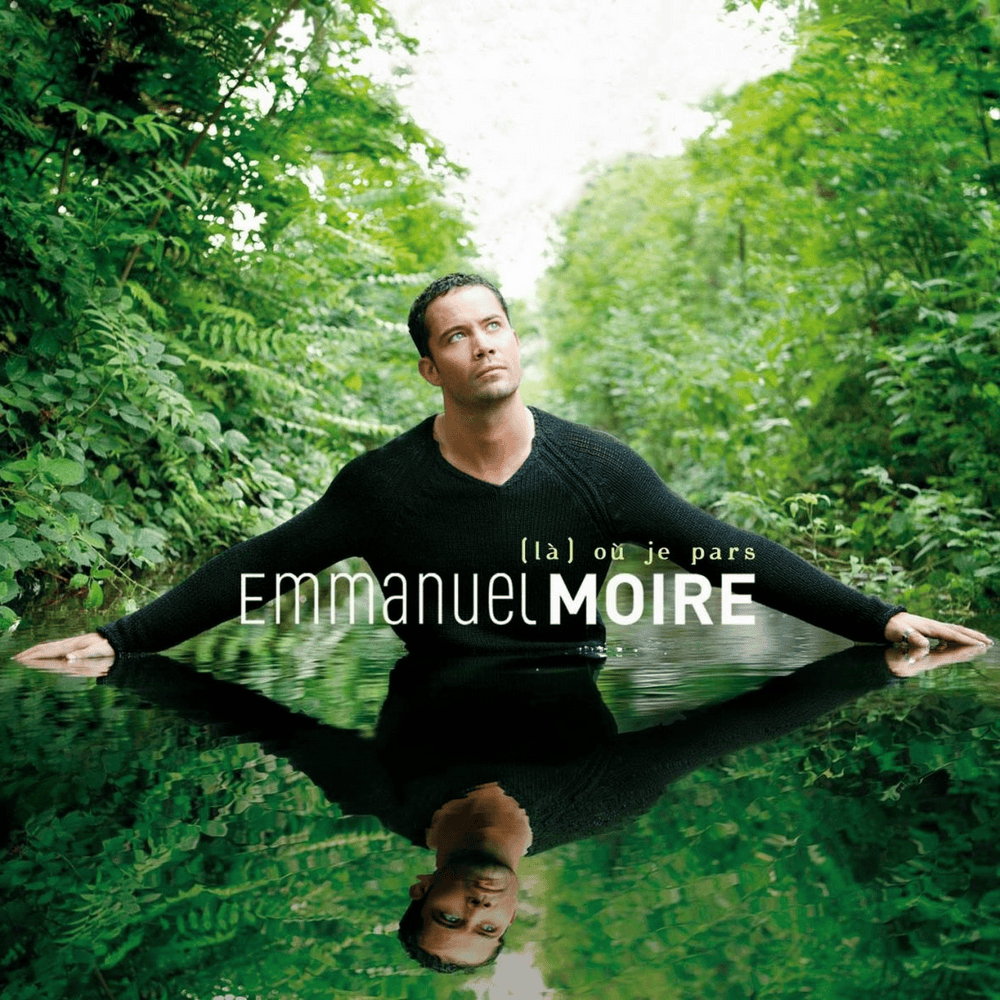
 View Artist