Song Meaning
The lyrics paint a stark, almost suffocating portrait of a peculiar kind of calm. It begins with a series of almost contradictory adjectives: cold, beautiful, silent, sickly. This initial juxtaposition sets a tone that is far from peaceful, hinting at an underlying unease. The calm isn't gentle; it's described as frozen, steadfast, and moving on a coffin, suggesting a stillness that is more akin to death than tranquility.
The central tension emerges from the dual nature of this 'calm.' It's presented as both majestic and proud, 'shamekh' and 'yameel lil kibriya,' yet it also becomes increasingly menacing. The calm that sits atop a mountain, overlooking a village, begins to mock its inhabitants' 'snoring.' This shift from passive observation to active mockery introduces a sinister, almost judgmental quality to the stillness.
The most striking aspect of the writing is the relentless escalation of negative, aggressive verbs associated with 'هدوء' (calm). It transforms from a passive state to an active, destructive force. The repetition of 'qat' (cutting) and the introduction of 'qame' (suppressing), 'qabe'' (crouching), and 'qatil' (killing) create a powerful crescendo. This sequence strips away any pretense of peace, revealing the calm as a harbinger of doom, explicitly stating it 'indicates death, soon.'
This lyrical construction is effective because it subverts the very notion of calm. By associating it with death, suppression, and violence, the song forces the listener to confront a disturbing paradox. The final, stark declaration that this 'calm' signals impending death leaves a lingering sense of dread, making the initial descriptions of cold and silent beauty feel like a chilling foreshadowing.
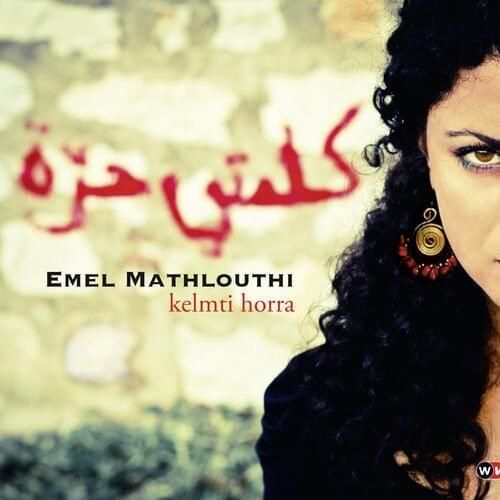
 View Artist