Song Meaning
The lyrics paint a bleak picture of shared desolation, opening with an invitation to stay, not out of comfort, but because the existing sadness is ample. The narrator offers a grim solidarity, suggesting that companionship is only meaningful in its shared misery. This sets a tone of profound loneliness, where even connection is defined by mutual suffering and a bleak outlook on time.
The central tension lies in the narrator's apparent desire for company, yet the only offering is more sadness. The invitation to "stay 'til tomorrow / Can become today" hints at a desperate hope for change, but it’s immediately undercut by the pervasive "sad world." This paradox suggests a person trapped in their own despair, unable to offer anything but more of the same, making the offer of companionship feel more like an act of resignation than genuine affection.
The most striking craft element is the personification of inanimate objects and substances. Powders and teas "speak their heads off," a spoon "assures," and time "says 'Watch out!'" This surreal dialogue highlights the narrator's isolation, where their only companions are the substances they consume and the abstract concepts that seem to offer cryptic warnings. It’s a vivid portrayal of a mind unraveling, finding voices in the void.
These lyrics hit hard because they articulate a specific kind of existential dread through stark, almost childlike imagery. The repetition of "In a sad world" hammers home the inescapable nature of this gloom. The final lines, with objects begging to be remembered, underscore a fear of oblivion, making the shared sadness feel like the only tangible thing left in a world where even time and memory are unreliable.
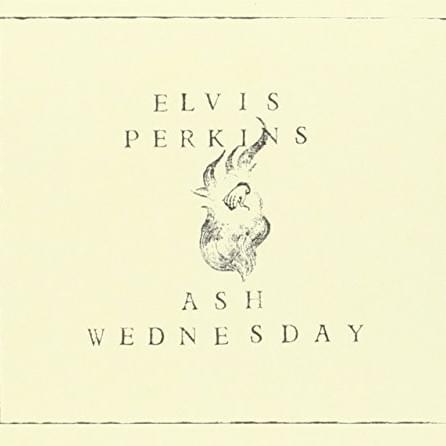
 View Artist