Song Meaning
The lyrics paint a picture of a pre-ordained existence, rooted in a mythical "garden" where a fundamental duality, "the lamb and the lion," was established before the narrator's birth. This origin story is presented as a received truth, "I'm told," hinting at a narrative passed down rather than personally witnessed. The imagery shifts to a more intimate, almost claustrophobic space, "At the foot of the bed / Where I've been kept," suggesting a feeling of being confined or observed within a "sea of white roses" where "lower things crept."
This initial setup creates a tension between a grand, cosmic origin and a more personal, perhaps unsettling, present. The narrator seems to be grappling with the implications of this inherited narrative, feeling trapped in a space that is both beautiful and subtly menacing. The contrast between the pristine "white roses" and the creeping "lower things" suggests a hidden corruption or a primal struggle beneath a seemingly pure surface.
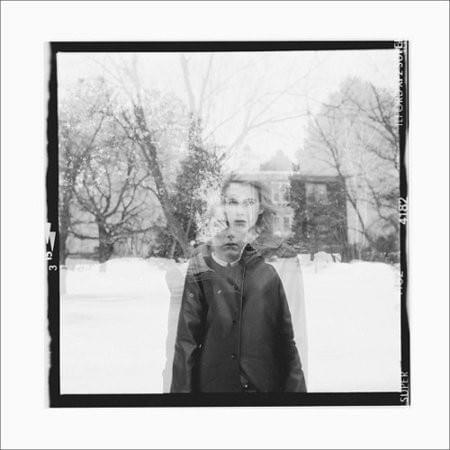
The most striking element is the transformation of the original duality into something lost and spectral. The "overgrown / Weeds and wild flowers" have "Swallowed them both," erasing the distinct lamb and lion. The figures who "moved with their maker" are now reduced to "ghosts," emphasizing a loss of original form or power. This suggests that the foundational elements of existence, as they were originally conceived, have been consumed by chaos or the passage of time, leaving only faint echoes.
The effectiveness of these lyrics lies in their evocative, almost dreamlike quality, blending biblical allusions with personal confinement. The narrator’s passive reception of information ("I'm told") and the imagery of being "kept" and then becoming a "ghost" create a profound sense of detachment and loss. The "black night" that bookends the second and third stanzas reinforces this feeling of obscurity and the overwhelming power of forces that obscure or consume.
 View Artist