Song Meaning
The lyrics paint a surreal, almost hallucinatory scene, opening with the bizarre image of "Jean Cocteau is covered in butter." This immediately establishes a dreamlike, nonsensical atmosphere, where abstract concepts like "the ghosts of cappuccino and Zaza" and a "devil and his lover" soliciting change coexist. The narrator seems to be addressing someone, drawing a parallel between "French blues" and an "unknown soldier" within them, hinting at a shared, perhaps melancholic, inner landscape.
The core of the song grapples with mortality and the unknown afterlife, encapsulated by the repeated question, "But do you ever wonder where you go when you die." This existential query is starkly juxtaposed with the enigmatic phrase "Emile's vietnam in the sky." The phrase itself is a powerful, unsettling image, suggesting a place of conflict, trauma, or perhaps a distorted, heavenly remembrance, where even the sky becomes a battleground or a site of profound, unresolved experience.
The second verse introduces a more pragmatic, almost transactional approach to life and its consequences. "Take better care of your heart" could be literal or metaphorical, linked to the idea of opening a "swiss bank account" – a symbol of security and worldly success. The choice to "let go go for now play a part" suggests a temporary surrender or a strategic withdrawal, contrasting with the potential consequence of "swimming those milk clouds on high," another surreal image that might represent a disembodied, perhaps passive, existence after death.
Ultimately, the lyrics are effective because they refuse easy answers, instead weaving together disparate, evocative images to create a potent sense of mystery and unease surrounding life, death, and the nature of consciousness. The relentless repetition of the central question and the haunting phrase "Emile's vietnam in the sky" leaves the listener suspended in a state of contemplation, grappling with the same profound uncertainties the narrator poses.
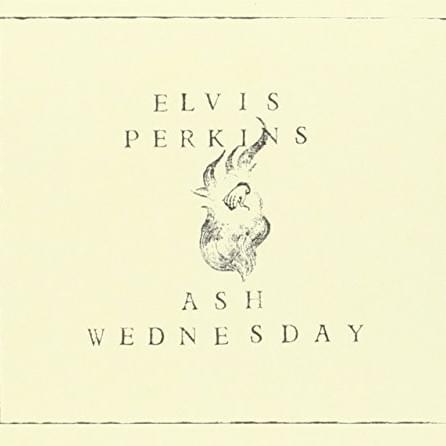
 View Artist