Song Meaning
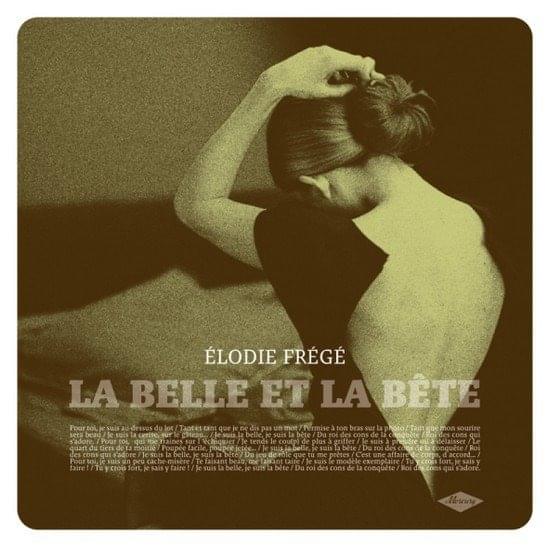
Élodie Frégé's "La belle et la bête" isn't just a retelling of the classic fairytale; it's a razor-sharp dissection of power dynamics in a relationship, sung with a knowing, world-weary sigh. The song meaning hinges on the duality of the female role – both the beautiful object and the beast of burden, a paradox women often navigate to survive in a patriarchal world. The lyrics paint a portrait of a woman acutely aware of her objectification, reduced to arm candy (“Permise à ton bras sur la photo / Tant que mon sourire sera beau”) and a mere accessory to a man's ego (“Je suis la cerise, sur le gâteau?”). She recognizes she's valued for her silence and appearance, her worth measured by her ability to reflect well on her partner.
The chorus, "Je suis la Belle, je suis la Bête / Du roi des cons de la conquête," is the crux of the song. It's a declaration of simultaneous victimhood and complicity. She's both the 'Belle,' playing the expected role, and the 'Bête,' the one who internalizes and perpetuates the game. The repeated phrase “Roi des cons” suggests a contempt for the type of man who engages in these shallow conquests, yet she's trapped in his orbit. The lyrics highlight the transactional nature of the relationship (“C'est une affaire de corps, d'accord?”), where her body and presence serve a specific purpose for him.
Ultimately, "La belle et la bête" is a bleak commentary on the compromises women make and the roles they play to maintain relationships with men who prioritize image over substance. The repetition of “Tu y crois fort, je sais y faire!” at the song's close underscores the performance aspect. She knows how to play the game, how to be the 'exemplary model,' even as she recognizes the hollowness of it all. The song doesn't offer easy answers or a triumphant escape; instead, it lingers in the uncomfortable space of recognition and resignation.
 View Artist