Song Meaning
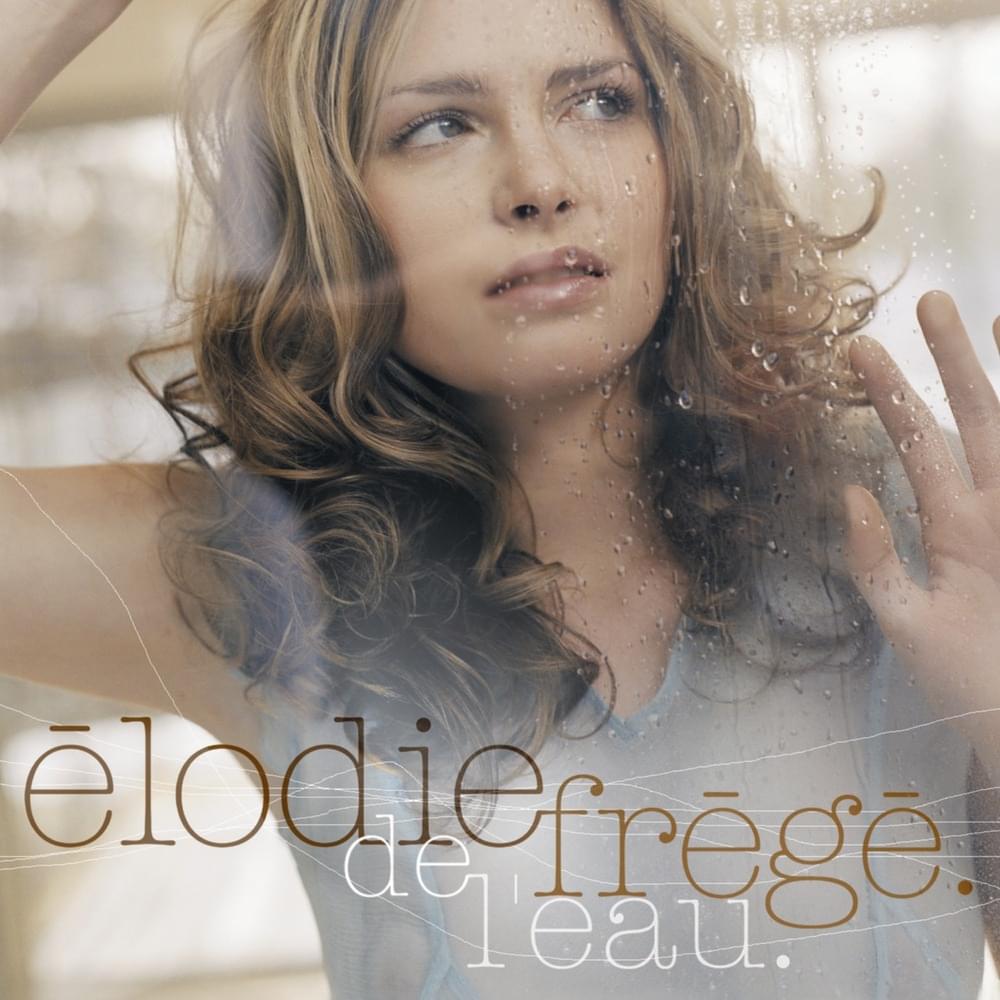
Élodie Frégé's "De l'eau" isn't just a song; it's a quietly radical proposition for emotional catharsis and collective healing. The initial image – a single tear silencing the noise – speaks volumes about the power of vulnerability. Frégé isn't advocating for histrionics, but rather suggesting that even the smallest expression of sorrow or empathy can have a profound effect. The phrase "ça s'arrose" (it deserves to be celebrated/nurtured) applied to something as simple as a tear, elevates emotional honesty to a virtue. It's a call for acknowledging, not suppressing, our feelings. The song meaning becomes clear: emotional release is not weakness. It's a necessary act of self-care and a potential catalyst for wider change.
The chorus, with its repeated plea for "de l'eau pour noyer chagrins et peines" (water to drown sorrows and pains), functions as both a personal mantra and a utopian vision. The "water" here is symbolic – tears, yes, but also compassion, understanding, and the willingness to confront difficult emotions. The lyrics analysis suggests that Frégé envisions a world where collective grief and anger are actively processed, not bottled up. The image of contributing "une goutte d'eau" (a drop of water) to a vast ocean or desert highlights the importance of individual action, even when it feels insignificant. The subtle contrast with "leur grain de sel" (their grain of salt) perhaps implies that skepticism has become too commonplace, and what we truly need is sincere emotional investment.
The outro, "Un monde lacrymal / N'irait pas si mal" (A tearful world wouldn't be so bad), is the most provocative line of the song. It directly challenges the societal expectation to maintain a stoic facade. Frégé argues that a world more attuned to its collective sadness might actually be a better place. The closing lines, "On manque de liquide / Pour moi c'est limpide" (We lack liquid / For me it's clear), drive home the point that emotional aridity is a societal problem. The song is a plea for a more emotionally fluid and expressive world, suggesting that our shared humanity might be found in the simple act of shedding a tear.
 View Artist