Song Meaning
The narrator is in a state of anxious waiting, fixated on a missing "baby" whose absence creates a palpable restlessness. The opening lines establish a profound disorientation: "I've got a baby, I don't know where she is." This isn't just a casual loss; it's a central, defining problem that prevents any peace, even the simple comfort of sleep. The narrator's inability to "keep my poor self still" underscores the urgency and the emotional turmoil.
The core tension revolves around this urgent need to find the "baby" and the passing of time, marked by the specific hour of "a quarter past nine." The repetition of this phrase grounds the anxiety in a concrete moment, suggesting a deadline or a point of no return. The narrator implores the "baby" to reveal their thoughts, indicating a desire for understanding or perhaps a plea for their return, all while emphasizing the critical nature of the situation: "you know I can't lose my time."
The lyrics employ a stark, almost desperate simplicity to convey the emotional weight. The contrast between the desire to "sleep better" and the inability to do so highlights the depth of the narrator's distress. The repeated question, "what you got on your mind," reveals a yearning for connection and clarity amidst the confusion. The final lines, "Well, when I find my other baby / You know you done lost your time," suggest a potential consequence for the absent "baby," implying that this waiting period has finite limits and that inaction will lead to a definitive loss.
This piece resonates because it captures a raw, immediate sense of panic and longing. The focus on a specific, recurring time and the direct address to the absent "baby" create an intimate, almost claustrophobic atmosphere. The effectiveness lies in its unadorned portrayal of anxiety, where the simple act of waiting becomes an unbearable ordeal, driven by the fear of irreversible consequences.
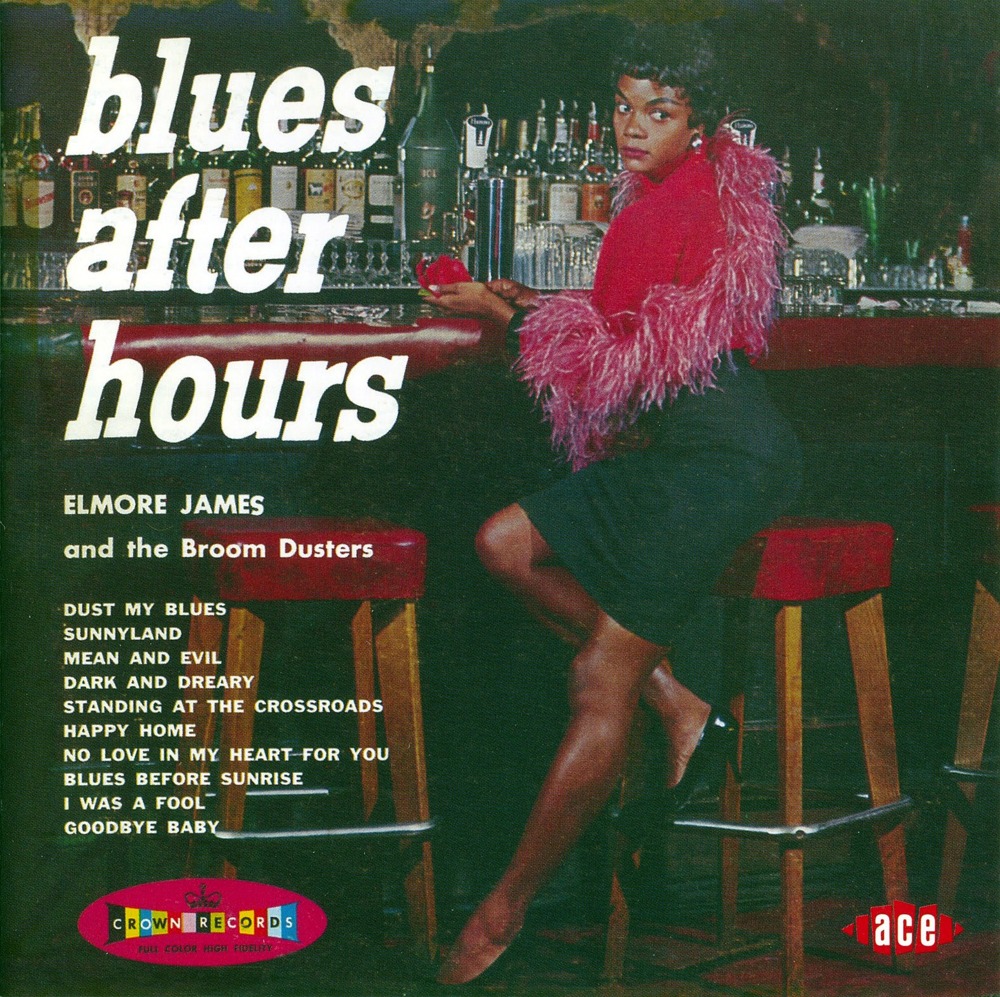
 View Artist