Song Meaning
The narrator declares his intention to "dust my broom," a phrase that signifies departure and a fresh start, immediately after quitting the woman he was with. This sets up a narrative of someone leaving a relationship, but the subsequent verses reveal a complex mix of determination and underlying vulnerability. He's not just leaving; he's actively searching, using modern communication like letters and telephones to track down a woman, even if it means traversing vast distances from Mississippi to Westminster. This pursuit suggests the departure might be less about finality and more about a desperate search for someone specific, or perhaps a way to avoid confronting the reality of his situation.
The core tension lies between the assertive act of "dusting my broom" and the implied desperation of his search. He claims to have "quit the best gal I'm lovin'," yet he's immediately on the move, trying to locate someone else. This contradiction hints that the initial declaration of independence might be a defense mechanism. The line "I ain't gotta leave my baby and break up my happy home" appears in the final verse, creating a jarring contrast with the opening declaration. It suggests a potential regret or a realization that his actions might lead to the very outcome he claims to be avoiding, or perhaps he's searching for a different kind of "happy home."
The lyrics employ a stark, almost percussive repetition that emphasizes the narrator's resolve, but also his fixation. The repeated phrase "I believe I'll dust my broom" acts like a mantra, reinforcing his decision. However, the shift in the final verse to "I believe my time ain't long" introduces a sense of foreboding and mortality, which complicates the earlier bravado. This juxtaposition of determined action with an existential dread creates a powerful emotional undercurrent, suggesting the narrator is running from something more profound than just a relationship.
What makes these lyrics resonate is the raw, unvarnished portrayal of a man grappling with his choices and his desires. The seemingly simple act of "dusting my broom" becomes a complex metaphor for escape, search, and perhaps self-deception. The narrator's blunt assessment of the woman as a "no good doney" who "want[s] every downtown man she meets" reveals his frustration, but the subsequent frantic search and the final lines about his "time ain't long" and "happy home" expose a deeper, more vulnerable core. It’s this blend of tough talk and underlying uncertainty that gives the song its enduring power.
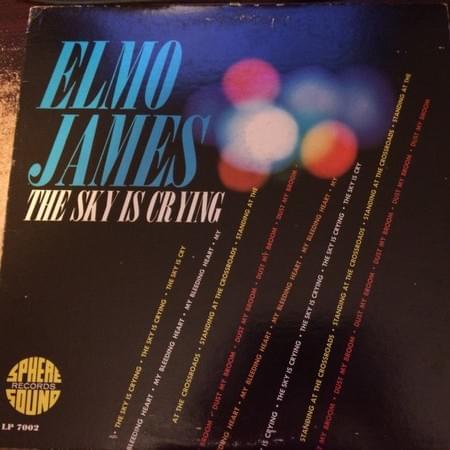
 View Artist