Song Meaning
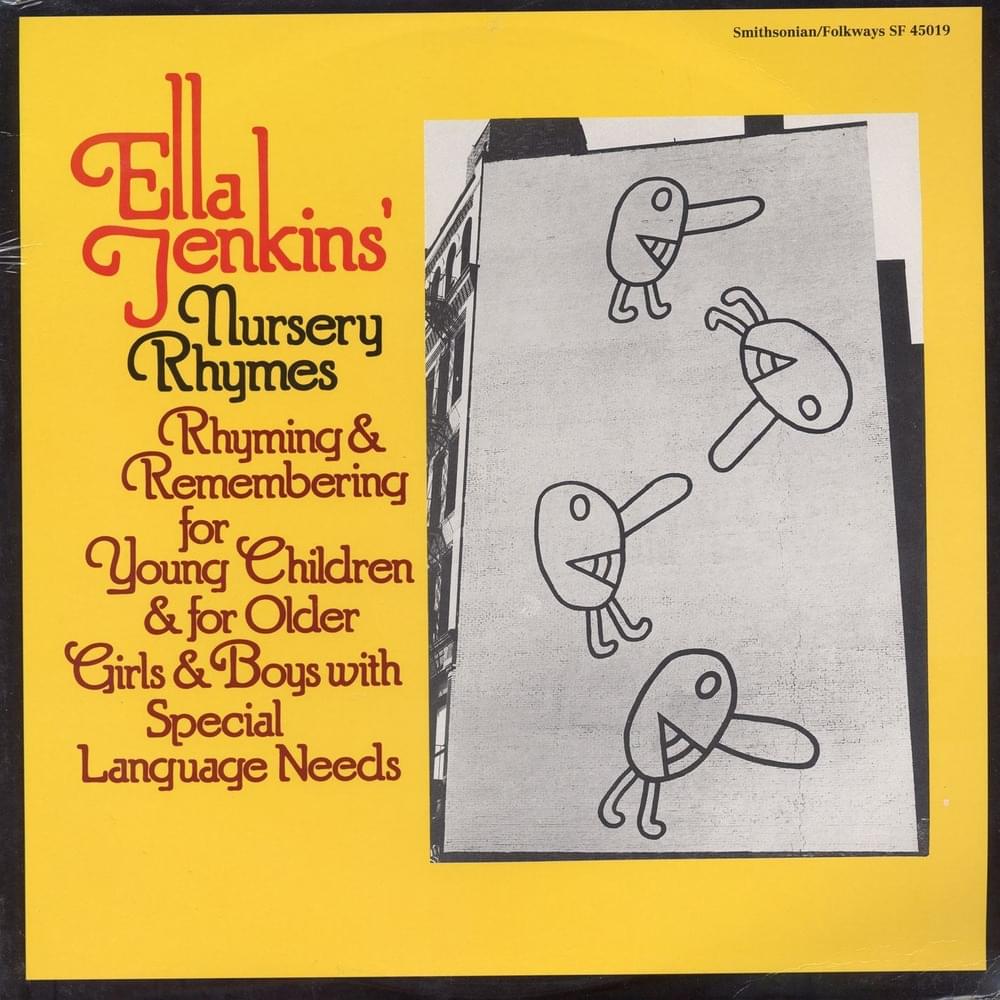
Ella Jenkins' rendition of "Sing a Song of Sixpence" isn't just a nursery rhyme; it's a deceptively simple tableau of power, suppressed voices, and the unsettling nature of spectacle. On its surface, the song presents a whimsical scene: a pie filled with blackbirds served to a king. But the image of two dozen birds, concealed and then released in song, hints at a deeper, more subversive meaning. The "pocket full of rye" might allude to wealth or sustenance, setting the stage for a transaction – a performance, perhaps – delivered to the monarch. The "dainty dish" itself becomes a symbol of curated entertainment, obscuring the potential wildness beneath. Jenkins' interpretation, geared toward children, doesn’t shy away from introducing complex themes in an accessible way.
The act of hiding "four and twenty blackbirds" suggests a deliberate attempt to control and contain natural expression. When "the pie was opened," and "the birds began to sing," it signifies a moment of unexpected liberation. This sudden burst of song could represent the uncontrollable nature of truth or the suppressed voices of the populace finding an outlet. The question, "Wasn't that a dainty dish / To set before the king?" carries a subtle layer of irony. Is it truly dainty, or is there something unsettling about the orchestrated performance, the caged becoming free, even if only momentarily, before the gaze of power?
Ultimately, "Sing a Song of Sixpence," as performed by Ella Jenkins, leaves us pondering the relationship between power and performance. The song's meaning resides in the tension between what is presented and what is concealed. Is the king genuinely pleased by the spectacle, or is there an undercurrent of unease at the sudden eruption of wildness within the carefully constructed dish? The child-like melody belies a sophisticated commentary on the nature of control, freedom, and the unsettling power of unexpected expression.
 View Artist