Song Meaning
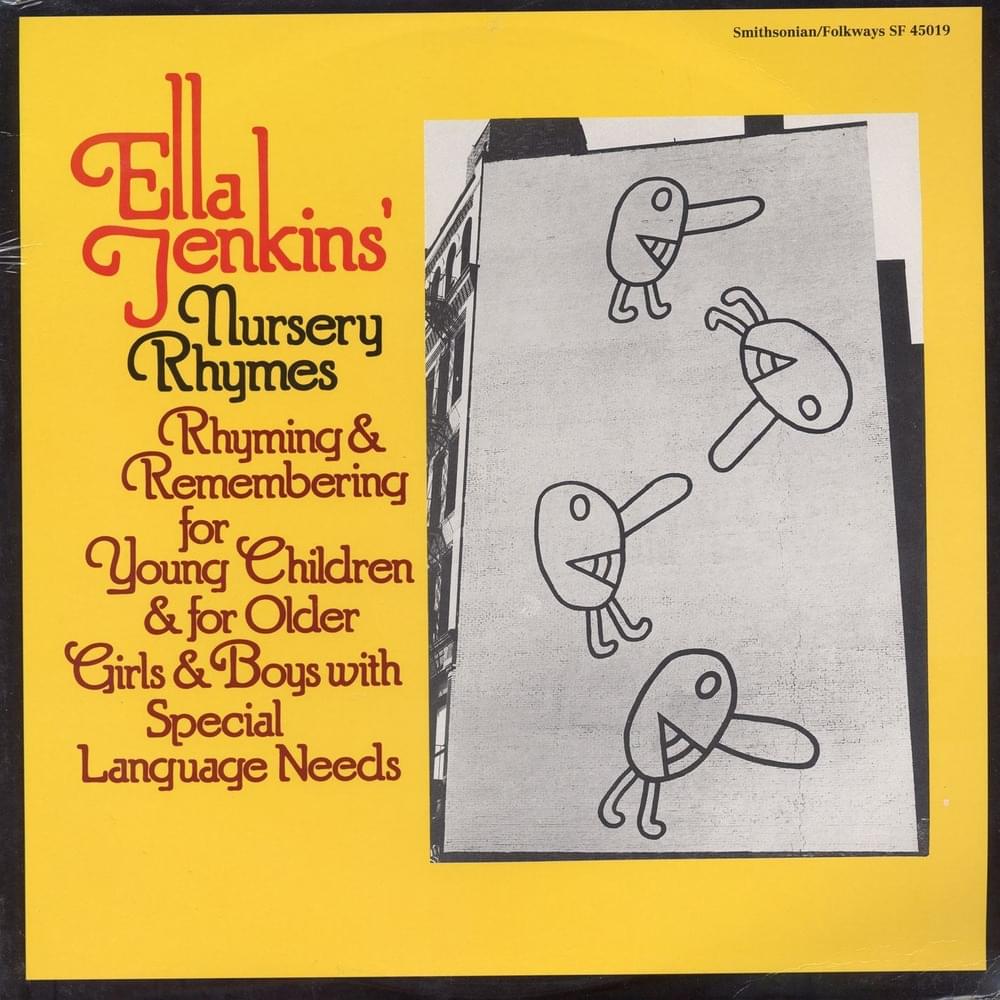
{"song_id": 13783215, "meaning": "Ella Jenkins' rendition of \"A Dillar a Dollar\" initially presents itself as a simple, almost childlike rhyme, but a closer listen reveals a subtle commentary on shifting expectations and the anxieties of time. The 'ten o'clock scholar' is a figure of routine, someone predictable in their habits. The central question – 'What makes you come so soon?' – isn't necessarily about literal earliness, but rather a disruption of established order. It's a gentle probing into why someone deviates from what's expected, hinting at underlying pressures or perhaps a loss of innocence.
The repetition of the verse emphasizes the cyclical nature of routine and the unease that arises when that cycle is broken. 'You used to come at ten o'clock, but now you come at noon' speaks to a fundamental change, a before-and-after scenario that leaves the speaker questioning the cause. The ellipsis at the end of the song intensifies this feeling of incompleteness and unresolved tension.
Ultimately, \"A Dillar a Dollar,\" as interpreted by Ella Jenkins, transcends its nursery rhyme origins. It becomes a miniature exploration of conformity, the subtle anxieties of change, and the human tendency to question deviations from the norm. The song's meaning resides in its gentle yet persistent questioning of why things are no longer as they once were, tapping into a universal experience of adjusting to life's inevitable shifts."}
 View Artist