Song Meaning
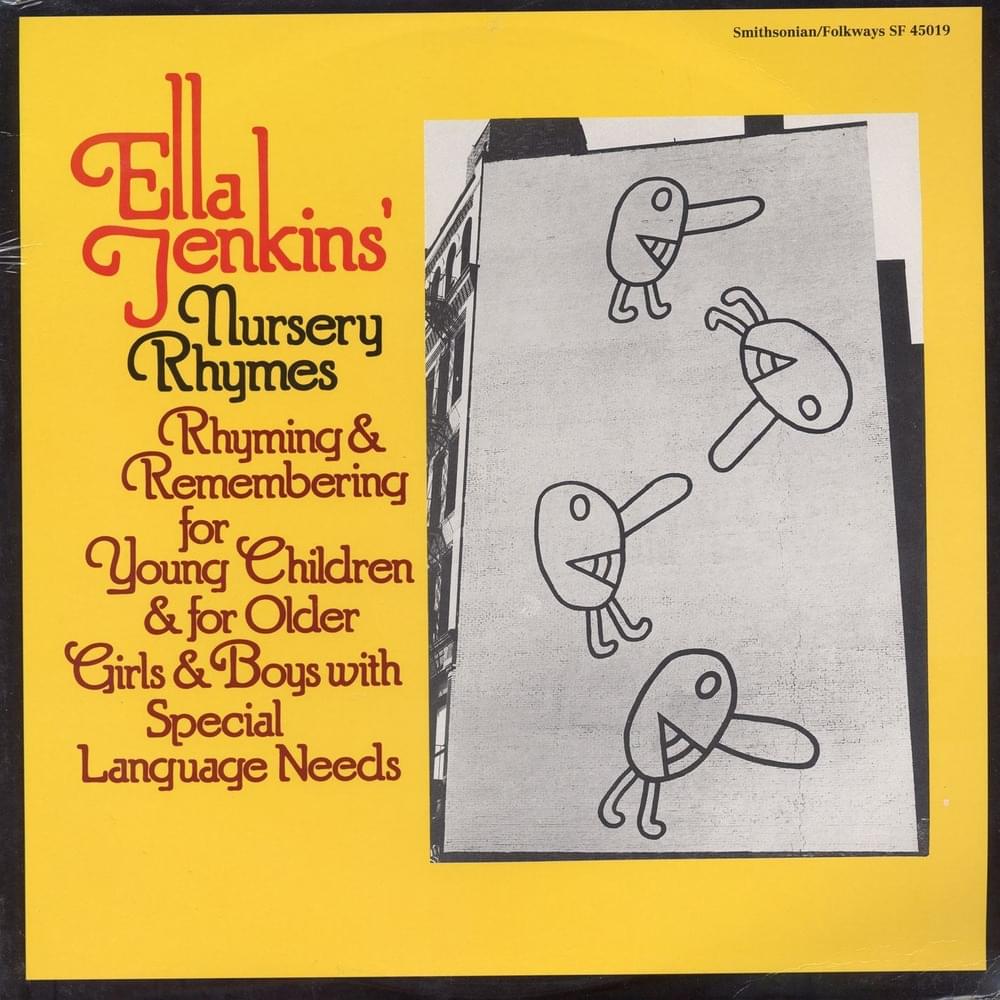
{"song_id": 13783230, "meaning": "Ella Jenkins' rendition of \"See Saw, Margery Daw\" isn't just a children's rhyme; it's a subtly brutal economic commentary dressed in the guise of playground fun. The repetition of \"See Saw, Margery Daw\" acts as both a rhythmic anchor and a distancing technique, almost like a detached observer watching the inexorable grinding of the capitalist machine. The real sting lies in the lines concerning Jacky and his new master. The promise of a \"new master\" isn't presented as an opportunity, but a sentence. This isn't about upward mobility; it's about the dehumanizing reality of labor, where a worker's worth is reduced to their output speed.
The phrase \"but a penny a day / Because he can't work any faster\" encapsulates the ruthless logic of exploitation. There's no room for compassion, no acknowledgement of individual limitations. Jacky's value is solely determined by his productivity, and his inability to meet an arbitrary standard results in economic punishment. It's a stark, almost Dickensian portrayal of the working class, stripped bare of sentimentality. The simplicity of the language only amplifies the chilling effect. It’s presented as a matter-of-fact assessment, devoid of any moral judgment, which makes it all the more unsettling.
While often categorized as a nursery rhyme, \"See Saw, Margery Daw\" carries a surprisingly dark undercurrent. Jenkins' straightforward delivery only serves to highlight the bleak reality embedded within the lyrics. It's a song about the commodification of human labor, the relentless pressure to perform, and the consequences of failing to meet those demands. Beneath the sing-song melody lurks a poignant reminder of the human cost of economic systems, a cost often overlooked in the pursuit of efficiency and profit. This song meaning, therefore, is less about childhood innocence and more about the harsh realities of the adult world, cleverly masked within a seemingly harmless rhyme."}
 View Artist