Where’s Agnes?
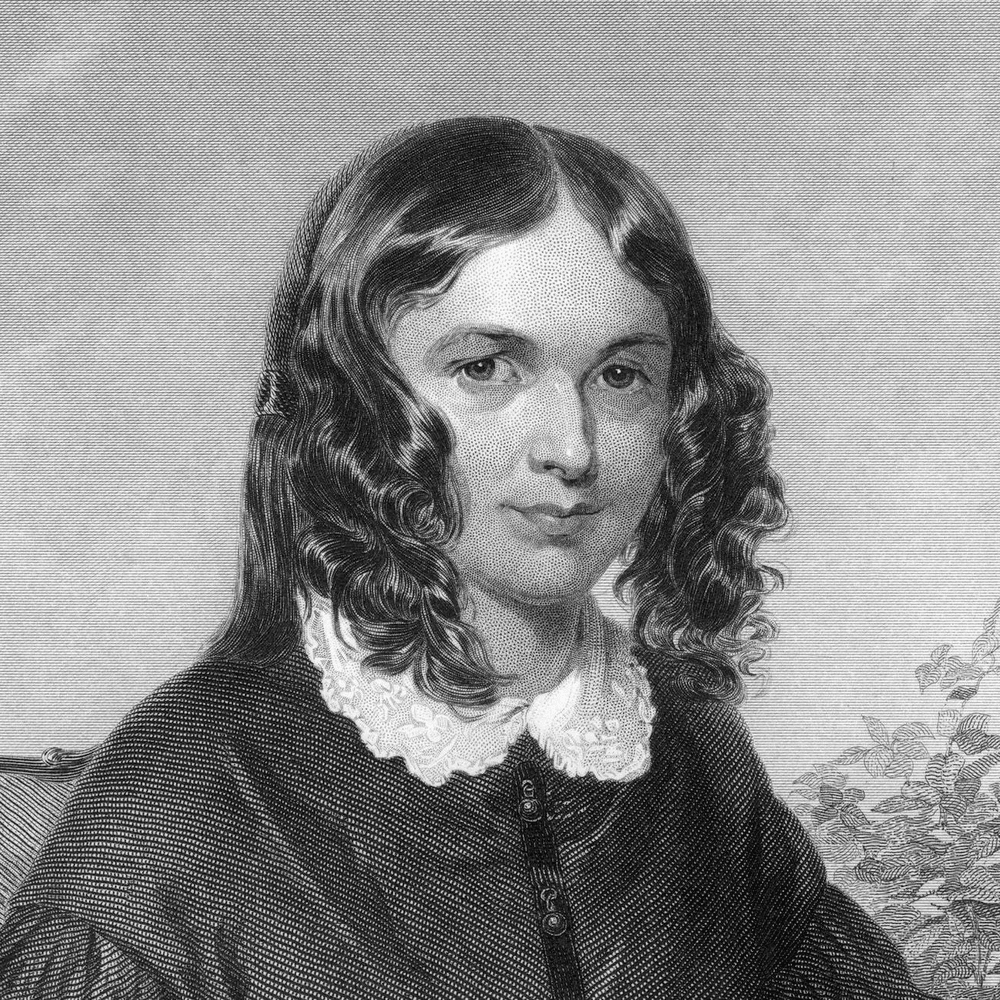
Elizabeth Barrett Browning - Non-Music, Romanticism (Literature)
Where’s Agnes?
0 Plays
 View Artist
Lyrics
I. Nay, if I had come back so, And found her dead in her grave, And if a friend I know Had said, "Be strong, nor rave: She lies there, dead below: II. "I saw her, I who speak, White, stiff, the face one blank: The blue shade came to her cheek Before they nailed the plank, For she had been dead a week." III. Why, if he had spoken so, I might have believed the thing, Although her look, although Her step, laugh, voice's ring Lived in me still as they do. IV. But dead that other way, Corrupted thus and lost? That sort of worm in the clay? I cannot count the cost, That I should rise and pay. V. My Agnes false? such shame? She? Rather be it said That the pure saint of her name Has stood there in her stead, And tricked you to this blame. VI. Her very gown, her cloak Fell chastely: no disguise, But expression! while she broke With her clear grey morning-eyes Full upon me and then spoke. VII. She wore her hair away From her forehead,—like a cloud Which a little wind in May Peels off finely: disallowed Though bright enough to stay. VIII. For the heavens must have the place To themselves, to use and shine in, As her soul would have her face To press through upon mine, in That orb of angel grace. IX. Had she any fault at all, 'T was having none, I thought too— There seemed a sort of thrall; As she felt her shadow ought to Fall straight upon the wall. X. Her sweetness strained the sense Of common life and duty; And every day's expense Of moving in such beauty Required, almost, defence. XI. What good, I thought, is done By such sweet things, if any? This world smells ill i' the sun Though the garden-flowers are many,— She is only one. XII. Can a voice so low and soft Take open actual part With Right,—maintain aloft Pure truth in life or art, Vexed always, wounded oft?— XIII. She fit, with that fair pose Which melts from curve to curve, To stand, run, work with those Who wrestle and deserve, And speak plain without glose? XIV. But I turned round on my fear Defiant, disagreeing— What if God has set her here Less for action than for Being?— For the eye and for the ear. XV. Just to show what beauty may, Just to prove what music can,— And then to die away From the presence of a man, Who shall learn, henceforth, to pray? XVI. As a door, left half ajar In heaven, would make him think How heavenly-different are Things glanced at through the chink, Till he pined from near to far. XVII. That door could lead to hell? That shining merely meant Damnation? What! She fell Like a woman, who was sent Like an angel, by a spell? XVIII. She, who scarcely trod the earth, Turned mere dirt? My Agnes,—mine! Called so! felt of too much worth To be used so! too divine To be breathed near, and so forth! XIX. Why, I dared not name a sin In her presence: I went round, Clipped its name and shut it in Some mysterious crystal sound,— Changed the dagger for the pin. XX. Now you name herself that word? O my Agnes! O my saint! Then the great joys of the Lord Do not last? Then all this paint Runs off nature? leaves a board? XXI. Who's dead here? No, not she: Rather I! or whence this damp Cold corruption's misery? While my very mourners stamp Closer in the clods on me. XXII. And my mouth is full of dust Till I cannot speak and curse— Speak and damn him ... "Blame's unjust"? Sin blots out the universe, All because she would and must? XXIII. She, my white rose, dropping off The high rose-tree branch! and not That the night-wind blew too rough, Or the noon-sun burnt too hot, But, that being a rose—'t was enough! XXIV. Then henceforth may earth grow trees! No more roses!—hard straight lines To score lies out! none of these Fluctuant curves, but firs and pines, Poplars, cedars, cypresses!
Rate this song
0/5.0 - 0 Ratings
Loading comments...
Credits
- Writers
- Elizabeth Barrett Browning