Song Meaning
The lyrics pose a seemingly simple question: "What's the best thing in the world?" The immediate answer is a series of idealized natural and emotional states. We get a "June-rose, by May-dew impearled," a gentle, rain-free "sweet south-wind," and "Light, that never makes you wink." These images paint a picture of perfection, untouched by harshness or decay. It's a world where beauty is natural and fleeting moments are preserved without consequence.
The core tension lies in the pursuit of these flawless experiences. The narrator lists "Truth, not cruel to a friend" and "Pleasure, not in haste to end," suggesting an awareness that real-world versions of these ideals often come with a sting or fade too quickly. Even "Beauty, not self-decked and curled / Till its pride is over-plain" implies a delicate balance, where beauty shouldn't become ostentatious or artificial. The ideal is a pure, unadulterated version of positive experiences.
The most striking element is the final turn. After cataloging these perfect, almost ethereal qualities, the narrator concludes, "What's the best thing in the world? / —Something out of it, I think." This suggests that the true best thing isn't found within the tangible, everyday world, but in something transcendent or perhaps even unattainable. It’s a subtle but powerful shift, moving from concrete examples to an abstract, almost spiritual longing.
This lyrical structure is effective because it builds a sense of yearning for an idealized existence. By presenting a series of perfect, yet ultimately earthly, examples, the poem sets up an expectation that is then subverted. The final line resonates because it acknowledges the inherent imperfection of our reality and points towards a desire for something beyond it, a sentiment that feels deeply human.
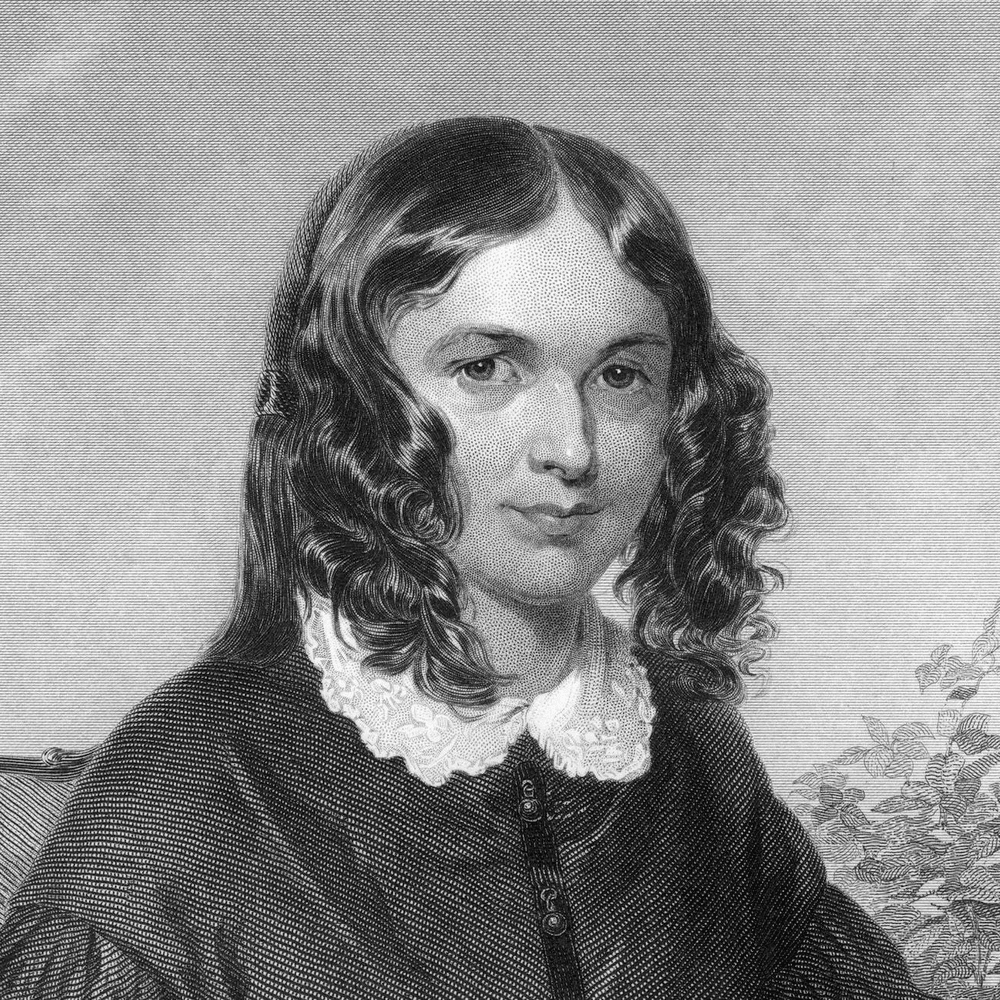
 View Artist