Song Meaning
Eliza Gilkyson's "When We Cross Over" isn't just a song; it's a sonic meditation on mortality, transition, and the courage required to face the unknown. Gilkyson, a master of lyrical nuance, crafts a landscape where the earthly and ethereal blur, inviting listeners to contemplate what lies beyond the veil. The song meaning resides not in simple answers, but in the evocative imagery of twilight hours and impending change. It’s a journey into the subconscious, a confrontation with the fragility of existence. The repeated phrase "When we cross over" acts as both a question and a comforting mantra, acknowledging the inevitable while seeking solace in the shared human experience of facing the ultimate mystery. The lyrics paint a picture of a soul on the precipice, a moment of profound decision before stepping into the 'dream time.'
Gilkyson layers the song with potent symbolism. The "hour before the dawn" represents a liminal space, a period of intense vulnerability and potential transformation. The "veil about to part" suggests a thinning of the boundary between the physical world and something more profound, perhaps spiritual. This imagery resonates deeply, tapping into our primal fears and hopes surrounding death and the afterlife. The invocation of "guiding light" and "shelter from the storm" speaks to a universal desire for protection and reassurance in the face of the unknown. The “wolf at the door” is an obvious symbol of death, however, the lyrics provide a sense of comfort in the line “he’ll pass you by.”
Beyond the immediate context of death, "When We Cross Over" can also be interpreted as a broader metaphor for any significant life transition. It speaks to the courage required to leave behind the familiar and embrace the uncertainty of what lies ahead. The line, “We’ll have to live with what we choose, and the decisions that we made” is a grim reminder that our choices have consequences. The song's power lies in its ability to resonate on multiple levels, offering comfort and prompting reflection on the nature of existence itself. It's a reminder that even in the darkest of nights, there is always the possibility of light, guidance, and ultimately, peace. The plea to “close your eyes, little one, and walk to the door” may be interpreted as a call to not fear what lies beyond, but to embrace the inevitable with courage and faith.
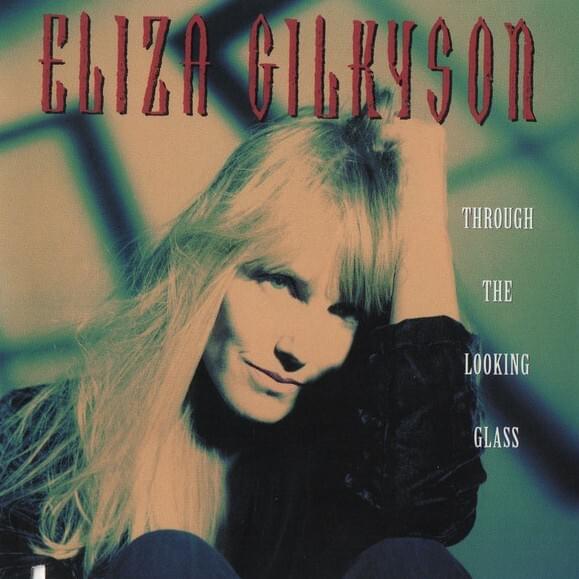
 View Artist