Song Meaning
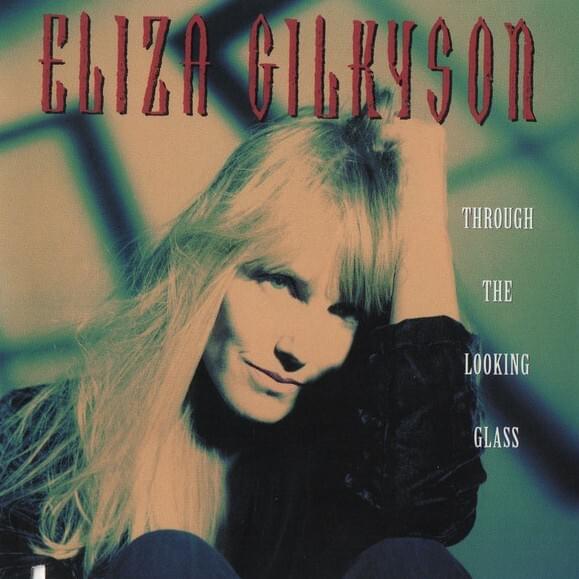
Eliza Gilkyson's "Odyssey" isn't merely a song; it's a deeply felt meditation on time, endurance, and the cyclical nature of life's journey. The opening verse immediately establishes a tone of reflective intimacy, referencing a birth forty years prior and setting the stage for a life viewed through the lens of accumulated experience. The "kingdom at hand" metaphor suggests the boundless potential seen in youth, contrasted against the realities of aging and the inevitable storms that life throws our way. The lyrics hint at a bittersweet understanding: the path forward is illuminated, yet fraught with the knowledge that dreams, by their very nature, must eventually conclude. This isn't a lament, but rather a poignant acceptance. The line "Shadows play upon the wall" evokes Plato's Allegory of the Cave, suggesting an awareness of the difference between reality and our limited perceptions of it. The recurring chorus, with its invitation to "lay your head upon my shoulder," offers solace and a haven from the "wandering soul." It acknowledges the inherent restlessness of the human spirit while providing a grounding force. This is not a romantic love, but a deeper empathy, perhaps familial or a bond forged through shared experience.
The middle stanzas shift towards a celebration of resilience. The imagery of fighting giants and claiming treasure speaks to the battles fought and victories won throughout a lifetime. "Drink your fill of pain and pleasure" encapsulates the duality of human existence, acknowledging that both suffering and joy are integral to the journey. The mythological allusions to ancient ships and sirens provide a powerful metaphor for the temptations and dangers encountered along the way. Unlike the "lesser men" who succumbed, the subject of the song has navigated these treacherous waters, suggesting a strength of character and a refusal to be swayed from their course. This speaks to the song's core theme: the ability to persevere despite the odds and remain true to oneself.
The final verses bring the odyssey full circle, emphasizing the enduring power of love as the ultimate destination. The "winds will fill your sails with love" suggests that the journey, with all its trials and tribulations, ultimately leads back to connection and belonging. The repetition of "I'm just glad that you were born here / Forty years ago" is not mere sentimentality; it's a profound affirmation of the subject's existence and the impact they've had on the speaker's life. Gilkyson's "Odyssey," therefore, is not just a reflection on a life lived, but a testament to the enduring human spirit and the transformative power of love and resilience over the course of time. The song meaning goes beyond a simple biographical sketch; it's a universal story of navigating the complexities of existence.
 View Artist