Song Meaning
This song opens as a "last goodbye," a final message carried on a melody. The speaker's heart, however, still "dreams in vain" of past kisses, revealing a deep, unfulfilled longing. It's a poignant farewell, tinged with persistent, almost futile, hope.
The central tension here lies between the act of letting go and an overwhelming pull to the past. The "murmur" itself becomes a vessel for "saudade," a profound ache for what's lost. There's a sense of a shared, quiet history, as the speaker notes, "Murmuraste, eu sei" – a recognition of reciprocal, distant affection that makes the parting even harder.
The most striking element is how the "murmur" embodies this complex emotional state. It's a quiet, almost whispered sound, yet it contains "a vontade louca de voltar" – a desperate, almost irrational desire to rewind time. This quiet intensity culminates in the stark declaration, "morrer pra não chorar," an extreme wish for oblivion over the pain of present reality.
These lyrics hit hard because they articulate an almost unbearable emotional paradox. The gentle act of murmuring a song contrasts sharply with the raw, explosive longing and the desperate wish to escape sorrow. By framing the entire experience as something delivered "nesta canção," the music itself becomes an active participant, carrying the weight of this final, agonizing farewell.
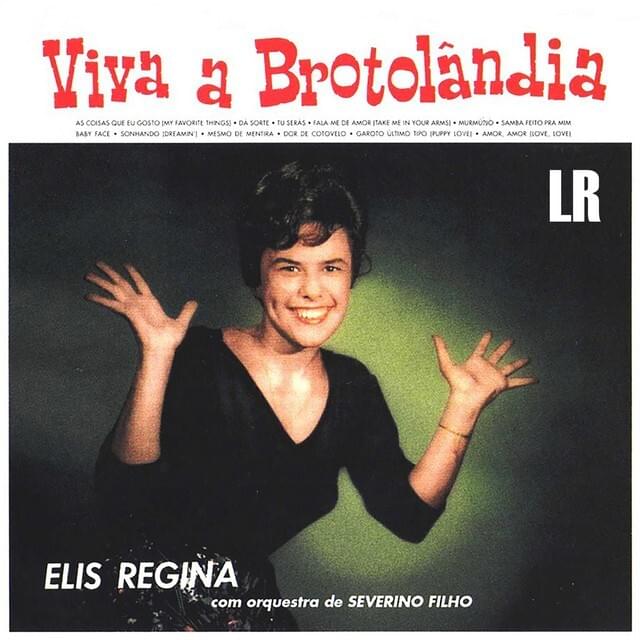
 View Artist