Song Meaning
The lyrics paint a picture of someone desperately seeking affection, even if it's insincere, before a departure. The opening lines, "Fala-me de amor / Mesmo que sejas pra mentir," immediately establish a tone of resigned longing, prioritizing the feeling of love over its authenticity. This sets up a poignant contrast between the desire for connection and the awareness of its fleeting nature.
The central tension lies in the narrator's plea for intimacy in the face of an impending goodbye. They crave a "beijo louco" and to be held "nos braços teus," seeking solace and a memorable experience, even if it's just a temporary illusion. The phrase "matar este amor tão puro" suggests a painful internal conflict, where the purity of their feelings is being extinguished by the harsh reality of the situation.
The craft here hinges on the juxtaposition of passionate imagery with stark finality. The request for a "beijo louco" and the desire to "viverei" magic in someone's arms are powerful expressions of yearning. Yet, these are immediately undercut by the acknowledgment that it's "pra mentir," "se vais partir," and ultimately leads to "depois adeus." This creates a profound sense of bittersweetness, where the intensity of the moment is amplified by its inevitable end.
This lyrical approach is effective because it captures a raw, vulnerable human experience. The narrator isn't asking for a lasting commitment, but for a final, intense connection to hold onto, however false. The writing makes the listener feel the ache of wanting love, even a counterfeit version, when faced with the certainty of loss and the quiet desperation to make a fleeting moment feel significant.
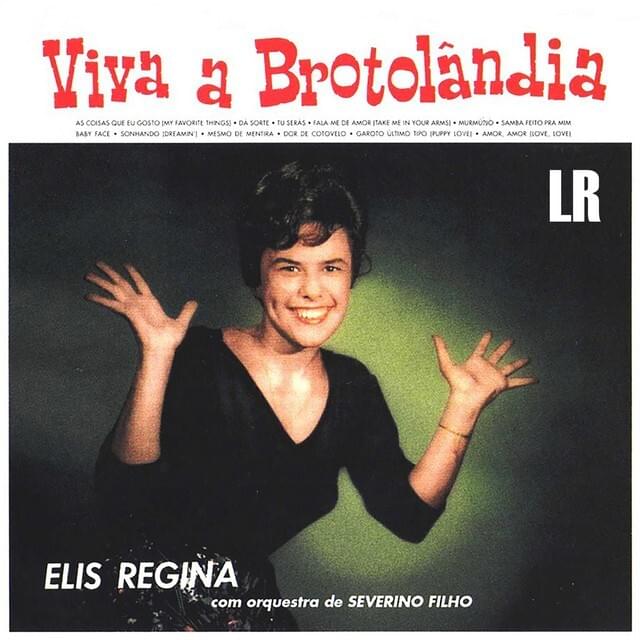
 View Artist