Song Meaning
The lyrics paint a stark picture of a life built on superficialities – "Kép és pénz" (Image and money) – that are "Álmokból felépítve" (Built from dreams). This foundation, however, is constantly burning within the individual, suggesting an inner turmoil or a destructive pursuit. The repeated "Tiltják neked" (They forbid you) establishes a clear external force suppressing the narrator's authentic self, denying them the ability to feel, live, question, and even fear. This creates a suffocating atmosphere where genuine experience is systematically denied.
The central tension arises from this enforced suppression versus a desperate plea for awakening. The command "Állj, állj meg most" (Stop, stop now) is a direct intervention, urging the listener to break free from the "süket szavaknak" (deaf words) that "hazudnak neked" (lie to you) and will drag them "a mélybe" (into the deep) and "megőrjítenek" (drive you mad). This highlights a critical juncture where continuing on the current path leads to destruction, while stopping offers a chance for salvation.
The most striking element is the powerful, repeated assertion and counter-assertion: "Azt hiszed, Jézus vár" (You think Jesus waits) followed by the urgent command, "Kellj fel, hogy az igazságot lásd" (Wake up to see the truth). This isn't a simple religious statement; it functions as a metaphor for a false promise or a comforting illusion that prevents one from confronting a harsh reality. The repetition emphasizes the depth of this delusion and the absolute necessity of waking up to a different, perhaps more difficult, truth.
These lyrics resonate because they tap into a universal feeling of being controlled or misled by external narratives, whether societal pressures, manipulative voices, or comforting lies. The direct, almost accusatory tone of the repeated commands, coupled with the stark imagery of being dragged down, creates a visceral sense of urgency. The ultimate effectiveness lies in its call to action – the imperative to "wake up" and see the truth, suggesting that true liberation comes from confronting reality, not from passively waiting for salvation.
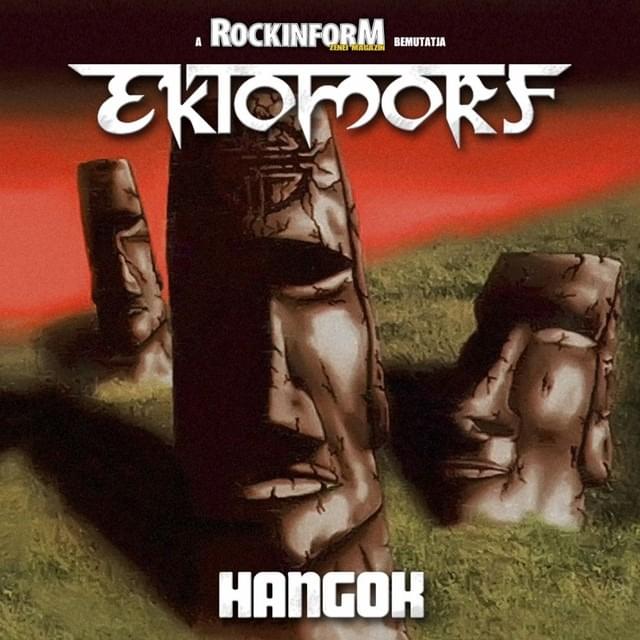
 View Artist