Song Meaning
The lyrics paint a picture of a disembodied existence, a spirit adrift. The repeated phrases "Névo korpo" (no body), "Névo trájo" (no path/way), and "Névo szufléto" (no breath/spirit) establish a profound sense of emptiness and lack of physical form. This isn't just about being lost; it's about a fundamental absence of being.
The central tension arises from this spectral state, where the narrator "Pátyáv ándo dél" (walks into the day) and "Pátyáv ándo trájo" (walks into the path/way), yet these actions feel hollow without a body or direction. The line "Csimerél muro szufléto" (my spirit is scratching/crawling) suggests a desperate, almost instinctual movement, a primal urge to exist or connect despite the lack of substance.
The most striking element is the recurring, exclamatory "An les devla!" which, in context, feels like a cry of bewildered or perhaps defiant acknowledgment of this state. It's a stark, almost primal utterance against the backdrop of formless wandering. The shift to "Pátyáv ándo szellehure" (walks into the ghost/spirit) and "Huráv ánde gyesz" (I hide in the ice/cold) further emphasizes this ethereal, isolated condition.
This piece resonates through its stark portrayal of non-existence. The power lies in the direct, unadorned language that conjures a feeling of profound detachment. The repetition of "Pátyáv" (walks) grounds the abstract concept of a spirit's movement in a tangible, albeit spectral, action, making the narrator's aimless drift deeply felt.
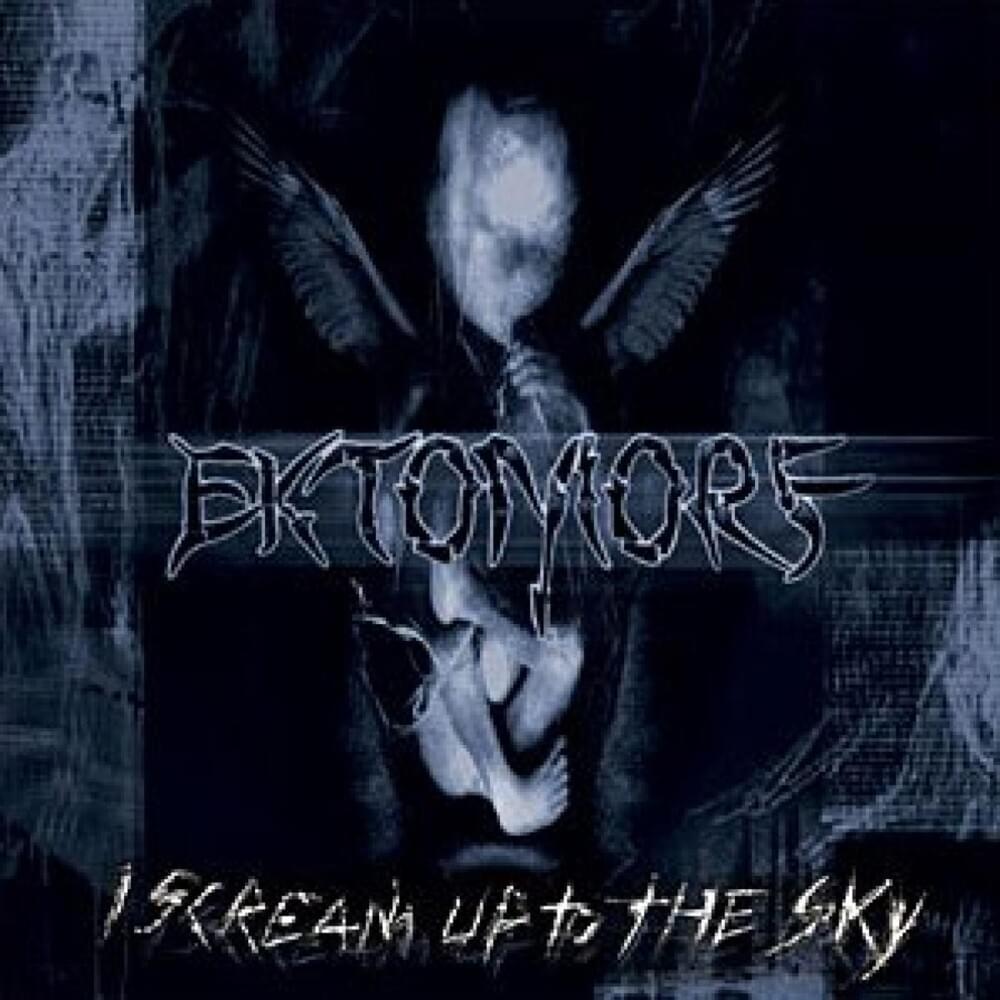
 View Artist