Song Meaning
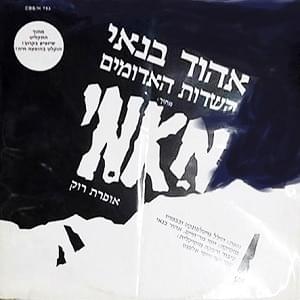
The lyrics paint a stark picture of a collective, almost involuntary, march towards conflict. The opening lines ground us in the mundane origins of this movement: "מתוך המפעלים, מתוך המשרדים" (From the factories, from the offices), juxtaposed with the intimate "מבין רגלי נשים, מבין הילדים" (Between women's legs, between children). This suggests that the call to war emerges from the very fabric of everyday life, encompassing both public and private spheres, before the "צפירה" (siren) inevitably calls them away.
The core tension lies in the transformation from ordinary life to instruments of war. The narrator states, "למלחמה יש רחם, אנחנו נולדים" (War has a womb, we are born), framing conflict as a primal, inescapable force. This is followed by the chilling realization, "לפחד יש חיים, שלא ידענו לפנים" (Fear has a life we didn't know before). The men, once defined by their domestic roles as "גברים שוטים היינו, אבות ובעלים" (We were foolish men, fathers and husbands), are now irrevocably changed into "ציידים בשדות האדומים" (hunters in the red fields).
The most striking element is the cyclical and almost fatalistic return to the "שדות האדומים" (red fields). The phrase is repeated, emphasizing its significance as a destination or a recurring fate. The lines "איך הלכו שנים / השבט חוזר אל / השדות האדומים" (How the years went by / The tribe returns to / The red fields) suggest a generational pattern, a tribal instinct that pulls them back to this place of violence, regardless of the passage of time or the lives lived in between. The imagery of
 View Artist