Song Meaning
These lyrics paint a surreal, dreamlike picture of revisiting high school, but with a disorienting twist. The narrator finds himself in familiar settings – a Purim party, a field trip, a classroom – yet each encounter with a friend (Veksman, Rozman, Fixman) dissolves into a strange, detached reality. The dominant tone is one of mild confusion and a growing sense of displacement, as these dream figures deliver a recurring, almost prophetic message. The initial scene of a Purim party, meant for costumes and revelry, quickly shifts as Veksman declares they are merely "guests for a moment," and that "your time has passed." This sets a melancholic, almost existential mood beneath the surface of the dream.
The central tension arises from the narrator's attempts to engage with his past and his friends, only to be met with pronouncements of impermanence and obsolescence. Whether it's Veksman at the party, Rozman absconding with the tape player during a field trip, or Fixman urging him to listen to records, each interaction culminates in the same refrain: "Your time has passed." The narrator’s own responses, like "I’m listening" or "But I’m starting to get cold," reveal a struggle to grasp the meaning, a desire to hold onto the familiar moment even as it slips away. The lyrics suggest a profound disconnect between the narrator's perception of his past and the reality presented by his dream companions.
The most striking craft element is the repetition of the phrase "Your time has passed" and the recurring chorus, "We are guests for a moment." This insistent refrain, delivered by different figures in varied scenarios, hammers home the theme of transience. The subtle shifts in the chorus – "This is not our party," "This is not our truck," "This is not our bell" – highlight the narrator's growing alienation from these remembered scenes. The dream logic itself, where friends speak in cryptic pronouncements and familiar places feel alien, amplifies the feeling of being an observer in one's own past. The lyrics masterfully use this dream structure to evoke a sense of fading relevance and the inevitable march of time.
Ultimately, the effectiveness of these lyrics lies in their ability to evoke a specific, unsettling emotional state without explicit explanation. The dreamlike narrative, combined with the persistent, almost ominous pronouncements, creates a powerful feeling of nostalgia tinged with the anxiety of aging and change. The listener is left with the lingering impression of a past that is both intimately familiar and irrevocably lost, a feeling amplified by the subtle yet profound repetition of "Your time has passed." It’s a poignant, if strange, reflection on memory and the passage of time.
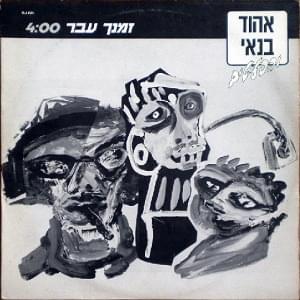
 View Artist