Song Meaning
The lyrics paint a picture of a narrator grappling with unrequited or complicated affection, focusing on the perceived fickleness of the object of their desire. The opening lines establish a pattern of measured, singular actions – "one little dress," "one tender kiss" – suggesting a careful, perhaps limited, emotional or physical offering. This is immediately contrasted with a more abundant, less exclusive approach to romantic attention: "when it comes to the boys / You always have a pair." This juxtaposition highlights a perceived inconsistency, where intimacy is doled out sparingly to the narrator but shared more freely with others, leading to the sharp observation that "True, isn't the word for you."
The core of the narrator's struggle lies in their own heart's refusal to accept the reality of the situation. Despite the logical conclusion that a relationship or connection isn't viable or reciprocated – "I tell my heart it's time to part" – their emotions betray them. This internal conflict fuels a deepening affection, paradoxically growing stronger with each perceived slight or instance of the other person's selective sharing. The phrase "fall more in love every day" underscores this relentless, almost involuntary escalation of feeling.
The repeated structure, emphasizing "one little girl at a time," initially seems to mirror the singular actions described earlier, perhaps suggesting the narrator's own focused devotion. However, the immediate follow-up, "And every time it's you," reveals this is not about a rotation of affections but a singular, persistent focus on the same person. This repetition, particularly the insistence on "one little girl at a time" while simultaneously admitting "every time it's you," creates a poignant irony. It highlights the narrator's singular obsession within a context where they feel the other person is not exclusive, making their own unwavering focus feel both noble and tragically futile.
What makes these lyrics resonate is the raw depiction of a heart caught in a loop of hope and disappointment. The narrator's internal monologue, where their mind urges separation but their heart insists on continued devotion, is a relatable portrayal of emotional entanglement. The specific, almost mundane imagery of "dress" and "kiss" grounds the abstract pain of unrequited love in tangible, everyday moments, making the narrator's deepening affection, despite the evidence, feel both deeply personal and universally understood.
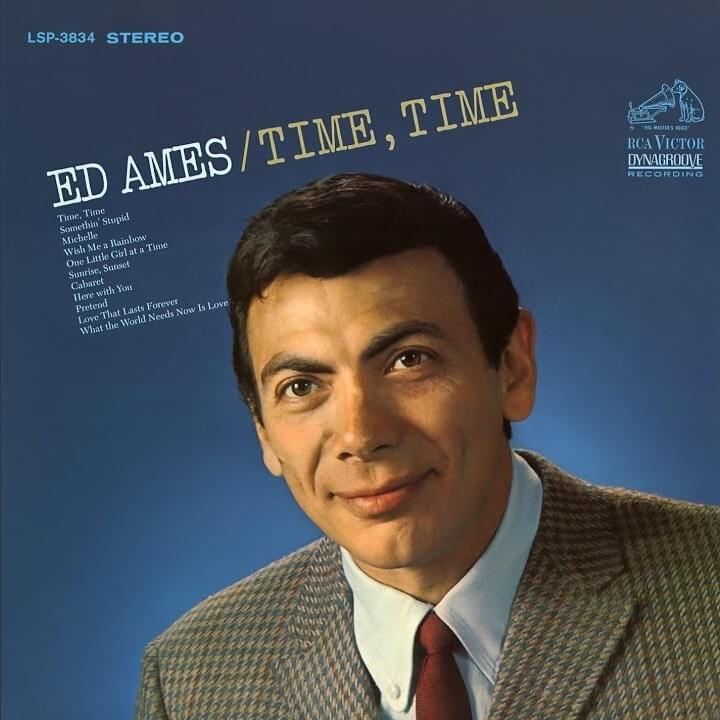
 View Artist