Song Meaning
This song lays out a clear, almost contractual, set of expectations for a love that the narrator desires. It's not just about affection, but about a specific kind of dependable, enduring partnership. The narrator is seeking a love that is not only reciprocal in its giving but also unwavering in its presence, especially during difficult times. The core of this desire is a need for security, a promise that the shared happiness will withstand any hardship.
The central tension lies in the narrator's conditional acceptance of love. While they want the love their heart offers, it's contingent on a guarantee of constant support. The repeated phrase "you'll always be there" and "you'll be there to warm me" underscores this need for an ever-present, comforting force. This isn't a passive wish; it's an active demand for a love that proves its worth through steadfastness, a love that "lasts forever" and is ready to face "rain or rainbows" and "stormy" days.
The lyrics employ a straightforward, almost declarative style, reinforcing the earnestness of the narrator's plea. The contrast between the ideal "love that lasts forever" and the potential for heartbreak, as hinted in "Don't take my heart and then change your mind," creates a palpable sense of vulnerability. The repetition of "Love that lasts forever" in the chorus acts as an incantation, a fervent wish for a stable, enduring connection that transcends the fleeting nature of emotions.
Ultimately, the effectiveness of these lyrics stems from their directness and the clear articulation of a fundamental human need for security within a relationship. The narrator isn't asking for grand gestures, but for the quiet, consistent reassurance that their partner will remain a constant source of warmth and support. This grounded, almost pragmatic approach to defining eternal love makes the desire feel deeply relatable and earnest.
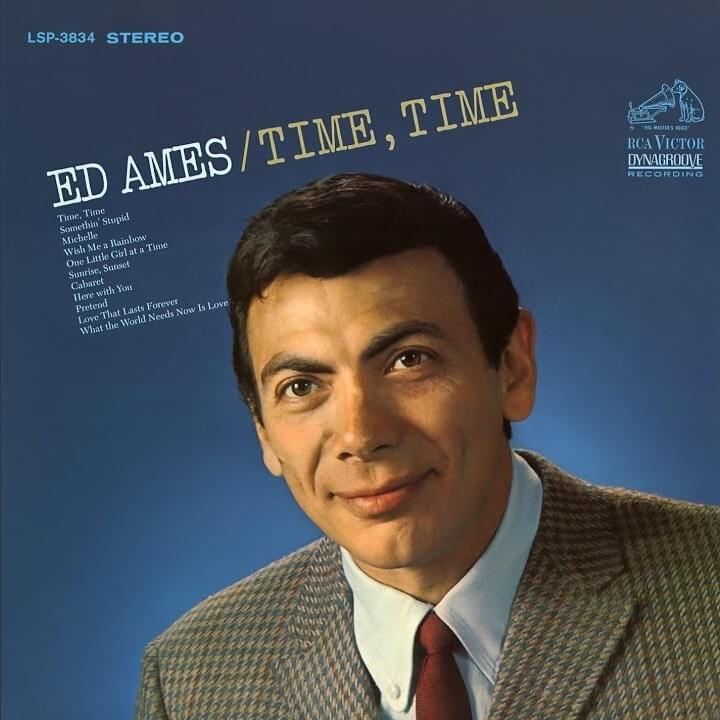
 View Artist